Goodness or the Choice of Goodness: Vice Principals, Empathy and Deserving

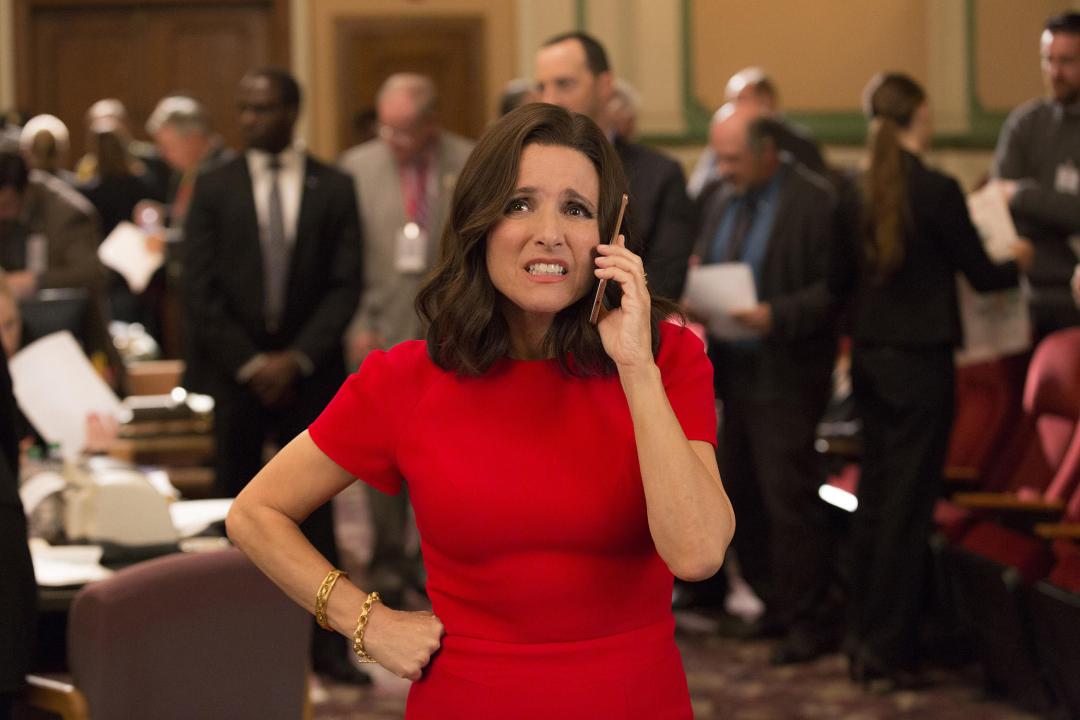
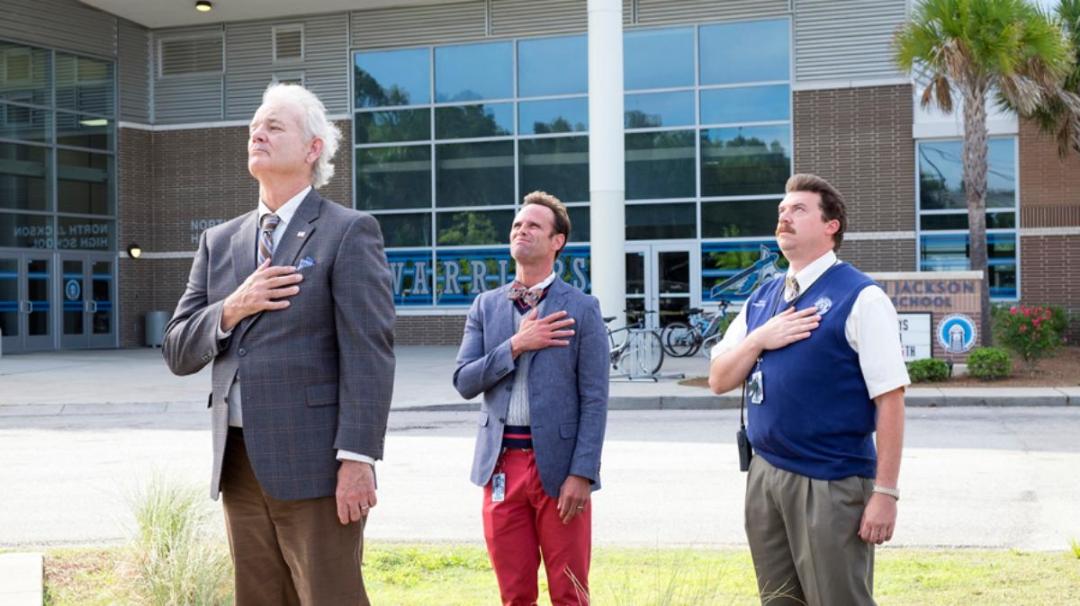
I spend a lot of time thinking about empathy and compassion. I believe in those things, as deep down as I believe in anything. I always thought this was relatively universal, at least outside of right-wing fringe groups, but I don’t really think that anymore. Not just because a Yale professor wrote a book literally called Against Empathy (in a video for The Atlantic he explains that empathy for victims is used to justify the Iraq War, but conveniently doesn’t mention if empathy can and does motivate anti-war activism), but mostly because of how often I find myself recoiling in horror from political discourse. I can’t cheer an elderly man getting brain cancer, no matter what he’s done. I don’t think that someone who punches a Nazi is suddenly as bad as a Nazi, but I can’t comprehend the ease with which people advocate the punching. I oppose violence in all its forms – structural or personal – and I don’t think that any person deserves to be killed, by the state or anyone else. I don’t think “deserve” comes into it. I don’t have the stomach to be a revolutionary.

Continue reading “Goodness or the Choice of Goodness: Vice Principals, Empathy and Deserving”

The Real Lesson of Get Out’s Success

Get Out is one of the best horror films this year, and it’s been a particularly good year for horror. The directorial debut of comedian Jordan Peele, Get Out is the story of Chris Washington, a young black photographer who reluctantly agrees to meet his white girlfriend’s family for the first time. Bad things happen. As well as being really, really good, Get Out was phenomenally successful, grossing $254 million over a $4.5 million budget.

If a movie is critically acclaimed, financially successful and not a blockbuster, chances are that its financial success will be followed by a series of articles on what lessons Hollywood should take from its success. This isn’t a hard and fast rule, but it’s predictable enough that I wasn’t surprised when it happened to Get Out.

I hate these articles.

Continue reading “The Real Lesson of Get Out’s Success”

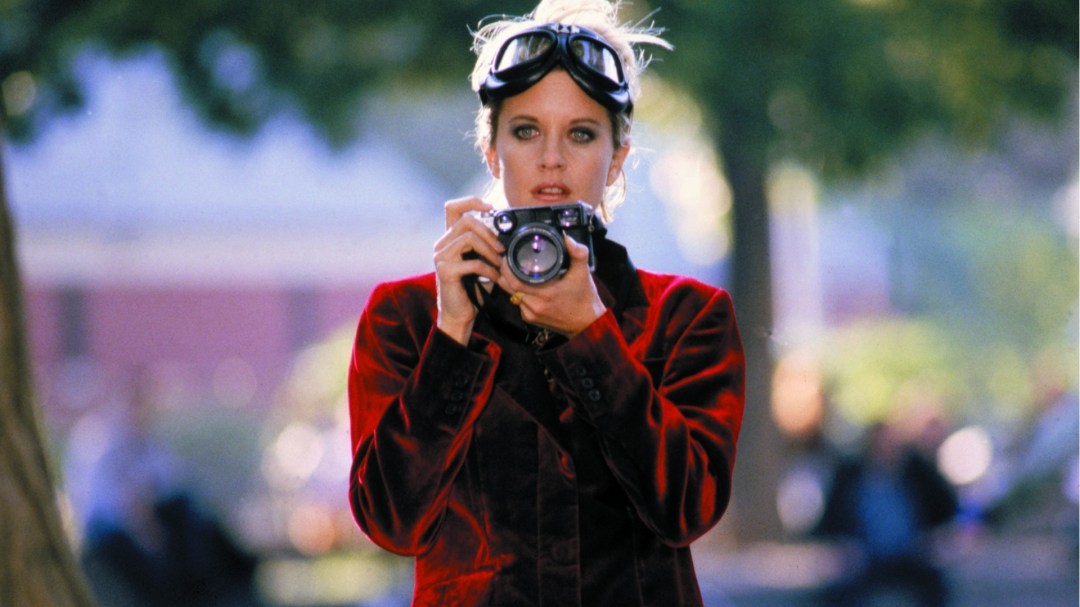
Camera Obscura: In Defense of Addicted to Love

Addicted to Love is not a film anybody likes or cares about, or even remembers. It’s one of those films disappeared in the sands of time, managing to have literally zero cultural impact. There’s so much media today – peak TV, a boom of indie films scrabbling for a smaller piece of the pie, three hundred hours of video uploaded to YouTube every minute – that we’ve created a modern inverse of the lost films of early cinema. Those films quite literally ceased to exist, either due to studios dumping them to make space or accidental destruction by fire (nitrate film, which was standard before the 1950s, can spontaneously combust if stored improperly). The Film Foundation, Martin Scorsese’s film preservation non-profit, estimates that ninety percent of films made in the US before 1929 are lost.

Continue reading “Camera Obscura: In Defense of Addicted to Love”

Can The Maker Repair What He Makes? [Bright Wall/Dark Room]

I wrote an essay for my favourite film magazine, Bright Wall/Dark Room, about Ridley Scott’s Blade Runner and the endless debate about whether Deckard is a replicant or not.

If you want a definitive foolproof argument that Deckard definitely is or isn’t a replicant, you will not care for my essay. But if you want a thoughtful examination of the debate itself and what it implies about the film and its audience, you’ll enjoy it a lot.

You can read it here.

Never Be Afraid Again

This article is part of the In Defense of the Genre series. Previously, Paramore and demanding the time and space to deal with emotions that we’re shamed for expressing


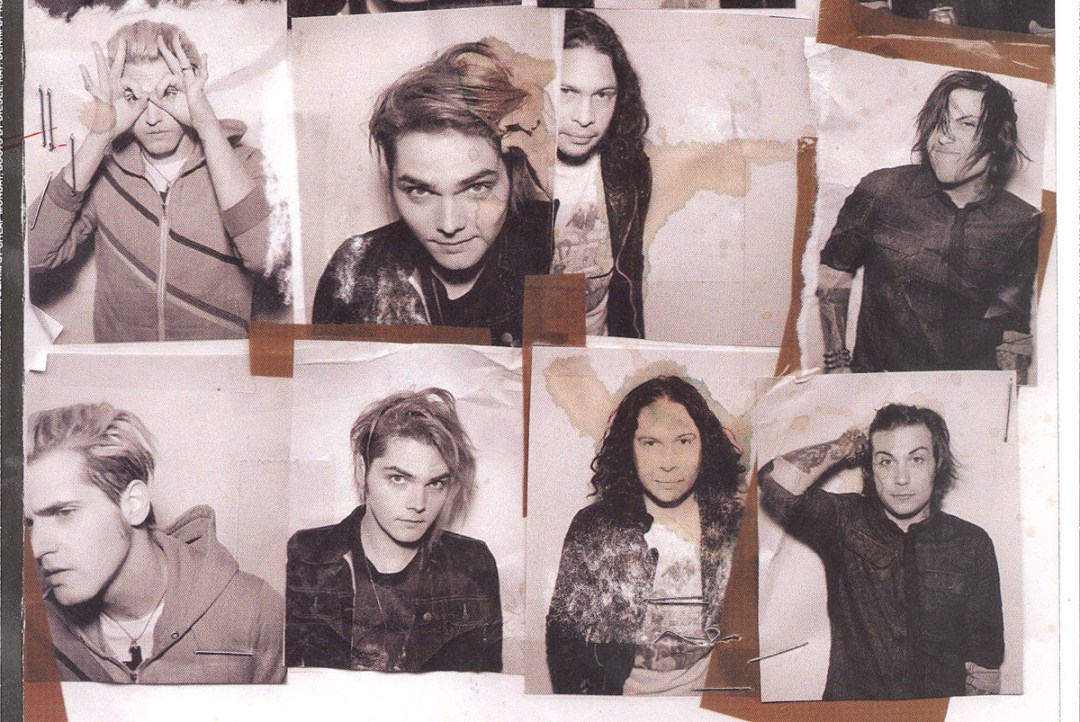
My Chemical Romance existed to save lives.

It’s hard to talk about with the uninitiated. It’s not unlike talking about faith to unbelievers: when you have to describe it out loud, you can hear how bizarre it is. A believer can hold their faith and their knowledge of their faith’s absurdity together without contradiction, but an unbeliever cannot understand that. CS Lewis wrote about faith as completely derived from reason, and sure, he was a lot more educated about theology than me, but that’s nonsense. Faith isn’t rational, and it wouldn’t matter if it was. “No one could have in a billion years of their gripping testimony or by showing me a radiant life of good deeds or through song or even the most beautiful of books brought me to Christ,” Nicole Cliffe (from The Toast, now sadly defunct) wrote about her conversion, “I had to be tapped on the shoulder.”

Continue reading “Never Be Afraid Again”

Video Game Movies and Why They Suck

It is a truth universally acknowledged that no one has ever made a good movie based on a video game, since the genre came into being with 1993’s Super Mario Bros. I don’t usually care for such truths, but that’s one I’m happy to accept, by and large. I would possibly carve out an exception for some of the Pokémon movies, though I haven’t watched any of them in a long time, and there are, of course, some good movies about video games or inspired by their aesthetic: Scott Pilgrim vs. the World, Wreck-It Ralph, Tron, etc. But as far as film adaptations of video games, it’s been one failure after another, with only occasional spells of mediocrity to shake things up.

Continue reading “Video Game Movies and Why They Suck”

Doctor Who and the Death of Death

Death in popular culture is meaningless. There’s too much death and not enough. More than ever, TV shows and films are obsessed with the omnipresence of death, but blind to death having any meaning. “Why is no-one allowed die?” (e.g. the Marvel films) or “Why must everyone be killed off for shock value?” (e.g. Game of Thrones) seem like not only distinct but contradictory problems, but they’re two sides of the same coin: anybody might die – but probably not anybody you care about, and if it is, they’ll come back to life in the end.

Continue reading “Doctor Who and the Death of Death”

The Best of The Sundae So Far

The Sundae launched seven and a half months ago with a history of the decline of multi-cam sitcoms and a counterpoint to the 89th Academy Awards. Since then, we’ve published a piece a week every week for thirty-two weeks, and this week will be no different, except that it’s completely different, because we’re not publishing a new piece of criticism, analysis or opinion.

We’re taking a week off because, well, we don’t get paid to do this, and we’re both in full-time education, and we both have coursework to do, and we’d rather not write something this week than write something half-assed, rushed or forced. So, instead, we’ve looked back over the past seven and a half months of writing we’ve published and picked our favourite pieces. If you’re a long-time reader, revisit the classics. If you’re a recent reader, catch up on some stuff you might not have read. If you’re a brand new reader, take a crash course in what we’re all about.

Here’s the best of The Sundae so far.

Continue reading “The Best of The Sundae So Far”

Cancelled Too Soon: The Booth at the End

Two weeks ago, I sat down to start writing an article about one of my favourite TV shows, The Booth at the End, for a new recurring feature called Cancelled Too Soon. Just like every other article I write for this blog, my first stop was Wikipedia, to refresh myself on the basics: the names of all the actors, writers and directors; who produced and distributed it; how high were its ratings or box office; what was the general timbre of contemporary critical reception. I always check this stuff first because it’s the stuff I’d be most embarrassed to get wrong, especially since I routinely see professional writers get them wrong, and my second-hand embarrassment on their behalf is so intense that I’d probably throw up if I experienced it first-hand.

Most of this information does not exist on the Wikipedia page for The Booth at the End.

The very first line of the article says it was “originally produced for the US cable channel FX”.

That’s not true. Very little of the information in the article is true, and some of it is contradictory – it claims that it first aired on Canada’s City TV network in one part of the article, and that it first aired on FX in another. I spent hours searching for contemporary reporting on The Booth at the End and it was even more contradictory and confused. So, I decided to do some primary research of my own.

Two weeks later, I have a pretty good grasp of the true story of The Booth at the End. Most of it came from a Twitter conversation with its creator and writer, Christopher Kubasik, and an email exchange with Doug Miller, the media contact for the show’s production company, Vuguru. I don’t have all the fine details, but I’m reasonably satisfied I know enough to tell you the mysterious tale of this strange, ground-breaking and now tragically-forgotten show, cancelled before its time, its history rendered opaque thanks to shoddy reporting by contemporary news sources.

The Booth at the End is the best TV show you never knew existed.

Continue reading “Cancelled Too Soon: The Booth at the End”