Some Unspoken Thing: In Praise of Guardians of the Galaxy Vol. 2

For at least a decade, we’ve lived through a pretty unprecedented boom in superhero films. Disney releases three Marvel Cinematic Universe films a year, Warner Brothers is trying desperately to make the limping DC universe hold together, Fox has the X-Men, and that’s not counting failed experiments like Fantastic Four or Sony’s Spider-Man universe, which, as far as I understand, they’re attempting to still do, but without Spider-Man. Superheroes aren’t suddenly popular out of nowhere or anything, but the sheer glut of superhero movies being produced now makes the progenitors of the superhero boom – like Christopher Nolan’s Batman trilogy or Sam Raimi’s Spider-Man – look modest by comparison.

It’s no secret that I’ve been critical of the superhero boom. I would support a ten-year ban on producing superhero films if such a thing were possible. But that isn’t out of snobbiness, or even out of a dislike of superhero films. I think Spider-Man 2 is a masterpiece. I saw The Dark Knight Rises in the cinema twice and think anyone who criticises its many plotholes is a pedantic killjoy. I think Logan had one of the best screenplays of last year. But the superhero boom is a feature of a much bigger problem: a trend in blockbuster filmmaking, and popular cinema in general, away from the thoughtful, interesting and weird and towards bland, hollow pleasures. It started with superheroes, and now it’s creeping all over the place, from Star Wars to the Universal monsters.

Superhero films tend to get a disproportionate amount of praise because they’ve spent a decade wearing us down, calibrating our expectations to just the right frequencies. I hate the word “overrated,” but I don’t think there’s a better word to explain the phenomenon of every Marvel release apparently being one of the best films ever made, if Rotten Tomatoes scores are anything to go by (and they aren’t). I really liked Wonder Woman, even if it had third act problems, but when people started talking about it as one of the best films of the year and it being “snubbed” by the Oscars, I felt like I was going insane. So I’ve never felt the need to speak up for a superhero film, really.

But then there’s Guardians of the Galaxy Vol. 2.

Continue reading “Some Unspoken Thing: In Praise of Guardians of the Galaxy Vol. 2”

Can You Believe It: Trump and Political Comedy

If you like comedy, but you’re tired of Trump jokes, the last couple of years have been frustrating. Your choices for political comedy on American television range from The Daily Show, which is pretty much all about Trump, to three different shows from Daily Show alumni – Last Week Tonight with John Oliver, Full Frontal with Samantha Bee and The Opposition with Jordan Klepper – which are also pretty much all about Trump. John Oliver’s turn towards Trump is particularly irritating because his show made its reputation on in-depth examinations of underdiscussed issues, like patent trolling, public funding of stadiums and the exploitation of chicken farmers, and had made a point of largely ignoring Trump for months before gradually becoming yet another Show Against Trump.

Shows without an explicit political bent offer no escape: Saturday Night Live features Trump so frequently that Alec Baldwin will likely be eligible for the Supporting Actor Emmy again this year, even though he’s ostensibly a guest star. The Late Show with Stephen Colbert does so much Trump material it was able to spin-off a recurring animated segment called Our Cartoon President into its own TV show. Colbert was always going to be more political than the average late-night host, except he’s actually not that much more political than the rest anymore: Seth Meyers does a weekly politics segment on Late Night called “A Closer Look” which is, of course, mostly about Trump and Jimmy Kimmel is constantly taking cracks at him. Even that spineless hair-ruffling weasel Jimmy Fallon has started to do regular Trump jokes now, and he’s Jimmy Fallon, the most inoffensive man who’s ever existed.

Continue reading “Can You Believe It: Trump and Political Comedy”

I’m Addicted To Words and They’re Useless

This article is part of the In Defense of the Genre series. Previously, why Adam’s Song is an all-time great


Motion City Soundtrack’s Commit This To Memory is one of my favourite albums: bright, hooky pop-rock with a heavy dose of synth, it’s got some of the most fun songs about anxiety, depression and substance abuse in my collection, and I’m not short of fun songs about anxiety, depression and substance abuse to choose from. Its upbeat melodies, I suppose, contrast the lyrical content, but what’s more impressive is how the sound manages to evoke high anxiety while still being a total blast. Commit This To Memory does occasionally take the time to get dark in its musical tone, not just its lyrical one: after three fantastic pop songs, only one of which is longer than three minutes, we get ‘Resolution’, a noble contribution to the melancholy canon of New Year’s songs, which is slower, longer and much less danceable. The opening three songs on Commit This To Memory are a bundle of nerves, but ‘Resolution’ is lyrically both more removed and more desperately sad: She would tend to my wounds and fill me with food when I’d stumble in drunk for breakfast. She was right to take off before she was consumed.

Continue reading “I’m Addicted To Words and They’re Useless”

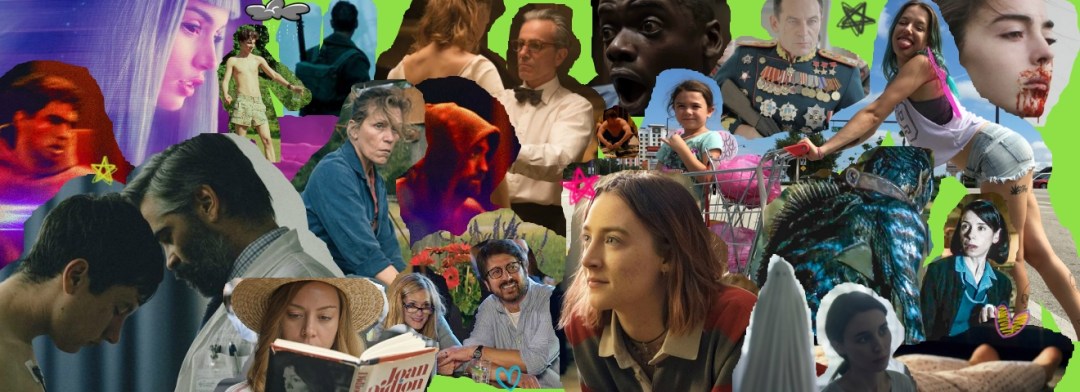
The Sundae Film Awards 2018

It’s been an extraordinarily long Oscar season, seeming to last from summer to March, with even a smattering of awards contenders coming out before that. It’s also been a particularly good year for films – which is awkward to define if you don’t live in America. We’ve decided it means “films that came out in 2017 in Ireland unless they were eligible for the Oscars last year as well as films that came out in 2018 in Ireland if they were eligible for this year’s Oscars.”

We can’t really claim that these are what we think should have been nominated at the Oscars, or should win, since we can’t even be sure if any film that wasn’t nominated was eligible. But if we were the only two members of the Academy, and we only cared about the eight major awards – we care about most of the others (except for the fake awards like Best Original Song) but this post would be absurdly long if we picked those too – this is what you’d get: the Sundae Film Awards 2018.

We each did out our personal nominees and then selected the winner by consensus, so the winners only come from films that both of us have seen and nominated, but we’ve each picked a personal runner-up regardless of whether the other has seen or nominated it. We also each picked a Special Achievement Award for something not covered in the major categories. You can see each of our full slates of nominees at the bottom of this post, which we encourage you to check out if you’re looking for recommendations, because there really were a lot of fantastic films this year.

Continue reading “The Sundae Film Awards 2018”

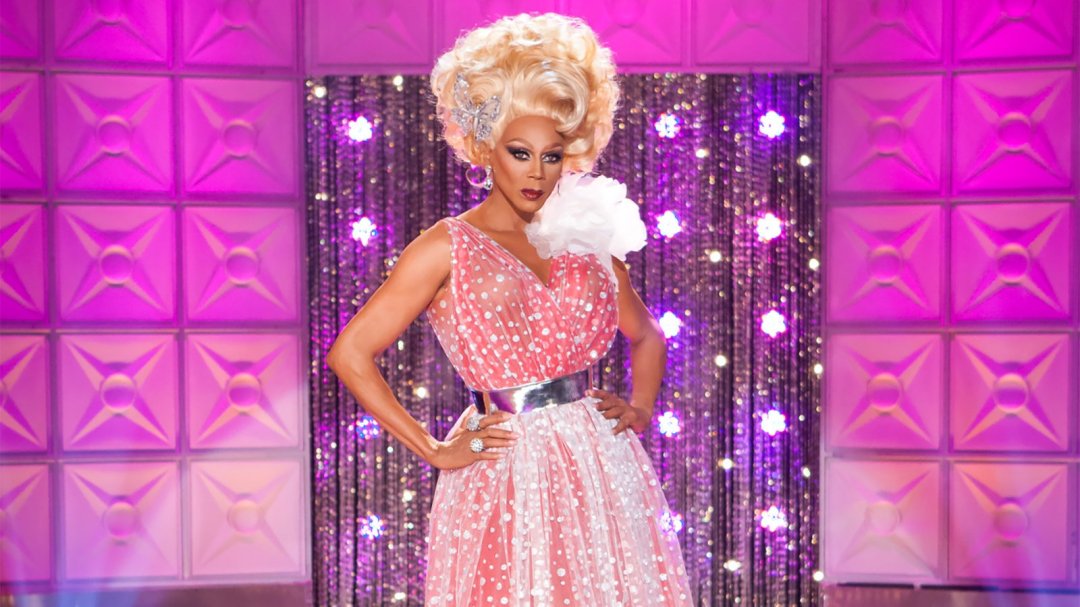
RuPaul’s Unreliable Editing Race

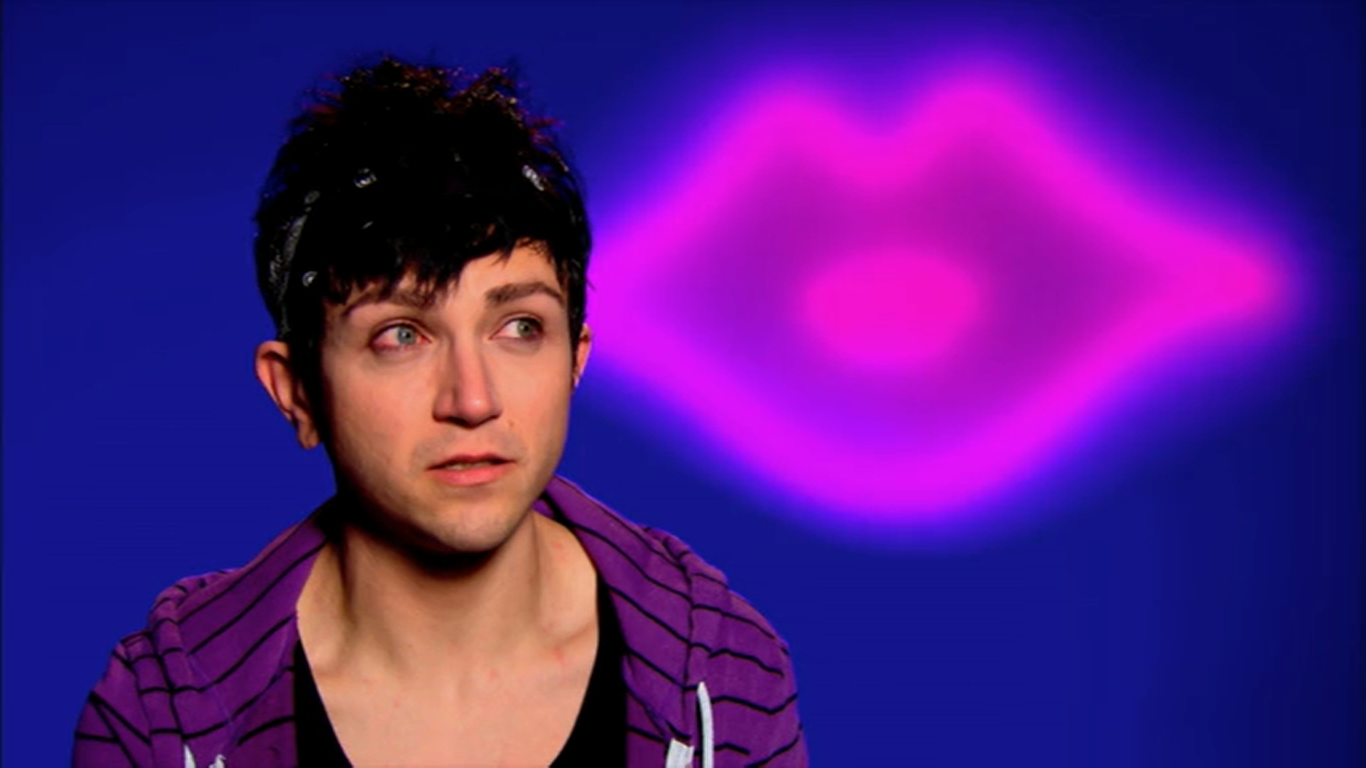
The first time I clocked a deceitful edit in RuPaul’s Drag Race was my second viewing of the show’s sixth season. During preparation for that season’s iteration of Snatch Game, a challenge in which the queens impersonate a celebrity, RuPaul cast doubt on competitor BenDeLaCreme’s plan to portray Dame Maggie Smith. Three shots follow: first, Ben looks at RuPaul while audio from one of Ben’s confessionals plays over it (“Ru does not seem into my idea.”); next, a shot of Ben’s wig on a foam head while the audio continues (“I’m shaken–my confidence is definitely shaken, but, I–”); finally, it cuts to the confessional itself where a puffy-eyed Ben is speechless, either just finished crying or just about to start.

Except that last part isn’t true, because, later in the episode, Ben talks about his adolescent struggles with body image and his mother’s death from cancer when he was thirteen. “I just–”, he begins to describe the loss in voiceover, and then it cuts to a much longer shot of Ben speechless in the same confessional from earlier. It’s clear in this longer shot that Ben is stumbling over his explanation of how he felt when his mother died, not Ru’s lack of enthusiasm for his Maggie Smith impression, especially since he actually won Snatch Game. The editors had blatantly cut footage of Ben crying as he recalled his grief and moved it earlier in the episode to make it look like Ru had shaken Ben to his core.

Ever since, I’ve been completely sceptical of the Drag Race edit.

Continue reading “RuPaul’s Unreliable Editing Race”

God Allegedly Has Bigger Plans for Me: Religion in Lost

When Michael Schur was coming up with The Good Place, he asked Lost co-creator Damon Lindelof for advice. “[Lindelof] told me, ‘Here are the pitfalls. Here are the traps you can fall into. Here’s the problem you’re going to hit’…” Schur said, “He actually I think said to me, ‘You just need to know where you’re going.’”

Lindelof’s advice was presumably drawing from experience, because Lost absolutely did not know where it was going. For the six full-length seasons it ran, it was an incredibly messy show, narratively convoluted and incoherent, brimming over with set-ups that were never paid off – and not in a David Lynch way, where it’s meant to be surreal and not intended to be “solved”. It only took Lost until its second season to do a “what if this character is in a psych ward and this is all in his head” episode, something Buffy managed to stave off for six years. The finale of Lost aired eight years ago to a polarised reception, and its reputation has only depreciated in the interim. It regularly makes lists of the worst finales of all time, and is practically synonymous with “all the mystery-box shit turning out to be nonsense” and “wasting years of your life on a show that turns out to be crap.”

So here’s the thing: Lost was a great show, finale and all. And I think that those who came away from the finale scratching their heads kind of missed the whole point of the show – because Lost was always a show about religion.

Continue reading “God Allegedly Has Bigger Plans for Me: Religion in Lost”

Art and the Artist

If you read a lot of pop criticism and entertainment journalism, you’ll be a familiar with a debate about “separating the art from the artist” or some similar turn of phrase. This is a very old debate, but it’s come to occupy ever more space in discussions about art, especially popular art, in recent years. The main driving force behind its increasing prominence has been the proliferation of online publications covering entertainment news and producing reviews and criticism over the last ten or so years. Such platforms are making more information and commentary on the entertainment industry and more opinions about art available to more people than ever before. Over the years, plenty of people who make art have been exposed for doing bad things, and so naturally the issue of how we should relate to art made by bad people has come up pretty regularly in these publications.

But that was before Jodi Kantor and Megan Twohey (for the New York Times) and Ronan Farrow (for the New Yorker) exposed Hollywood mega-producer Harvey Weinstein as a serial sexual predator. I don’t know why this one was the tipping point, but in the months since, dozens of other sexual predators working in the entertainment industry, in news media and in sports have been similarly exposed. In fact, there’s been a seemingly endless wave of revelations about powerful public figures – almost exclusively men, to no great shock – who have abused their power in order to sexually harass and assault other people, including minors.

What used to be a largely seasonal phenomenon of finding out a celebrity was a bad person, getting bombarded with thinkpieces about it and then forgetting about it when something else came along to make you anxious about the world has now become an apparently permanent state of revelation.

Continue reading “Art and the Artist”

Sofia Coppola’s Sad Rich People

In 2003, Sofia Coppola released Lost in Translation. It was critically acclaimed, grossed 119 million dollars on a budget of four million, and made Coppola the first American woman ever nominated for Best Director at the Oscars. It’s about two Americans – Bill Murray and Scarlett Johansson – in a luxury hotel in Japan, two lonely people who find some solace in each other, an almost-romcom where nothing happens and everyone wants to die. It’s a beautiful film – I often say that subtlety is overrated, but Lost in Translation is quiet and soft, a reminder that a film can be those things without for a moment being boring or pretentious.

It’s 2004, and Sofia Coppola might become one of the most important film directors of her generation. Not because she’ll be tokenised as a woman, and not because her dad made The Godfather, but because of her incredible talent.

It’s fourteen years later, and it hasn’t really worked out that way.

Continue reading “Sofia Coppola’s Sad Rich People”

Notes on Split

I went to see Split on my twenty-third birthday, and I was very excited. That was partly because my birthday was the day Donald Trump was inaugurated as President and it was a way to not think about, you know, events. But it was mostly because I am an M. Night Shyamalan apologist, and he was back! I love The Sixth Sense and Unbreakable and The Happening, and after a string of bad decisions, he was resurgent. He’d had a surprise hit on television with Wayward Pines and his previous film, The Visit, had been both well-received and profitable. Now it was time for his redemption story to go mainstream with his biggest success since Signs.

And it did.

Measured by return on investment, Split was Shyamalan’s most profitable movie, turning $9 million into over $250 million, and it received some of the best reviews of his career. It was number one at the US box office for three consecutive weeks (a record in Shyamalan’s filmography matched only by The Sixth Sense), it had a sequel greenlit by April, and James McAvoy is one of the year’s prototypical examples of an actor locked out of the Oscars race by genre rather than merit. M. Night Shyamalan brought his reputation back from the dead with one of the year’s most successful movies.

And I hated it.

Continue reading “Notes on Split”

The One Where Pop Culture Disintegrates

Why do people still love Friends so much?

To be clear, I love Friends. I’ve seen every episode of Friends multiple times. It was a good show, and often a great one. It was such a massive juggernaut hit at the time that it’s inevitable that it would have some staying power – I can’t imagine a world where Friends was forgotten, consigned to the ash heap of history. Anything that big hangs around for a while. Culture doesn’t have a reset button, you just turn it at right angles and draw over what’s already there.

But Friends isn’t just hanging around in the background. It’s still hugely, actively popular. BuzzFeed’s clickbait pop culture listicle/quiz department pumps out posts about Friends on at least a biweekly basis. People get engaged on the Central Perk couch on tours of the Warner Brothers lot. The whole series was recently added to Netflix in Ireland and the UK, and – even though the show finished fourteen years ago, even though it’s been in reruns constantly, unavoidably since then – it was treated as a legitimately big deal.

And that’s weird. It is so far outside of the norm of televisual afterlife that “it’s a good show” doesn’t go a tenth of the way to explaining it.

Continue reading “The One Where Pop Culture Disintegrates”