
We watched a lot fewer new films than usual this year. Amid the wider atmosphere of horror and sorrow and grim foreboding in the world, it felt like a dispiriting year for popular cinema, the first big stumble since Tom Cruise resuscitated its prospects in 2022. Still, don’t let that take away from the films we loved enough to celebrate, because they’d all be great films in any year. A frenetic sports epic about table tennis? Pynchon as Terminator 2 in the key of stoner comedy? Rapid-cut montages of Irish news footage? These are the things that movie dreams are made of!
As with every year, we gave one award for each of the eight major Oscars: we care about most of the others (except for the fake awards like Best Original Song) but this post would be absurdly long if we picked those too. We each did out our personal nominees and then selected the winner by consensus, so the winners only come from films that both of us have seen and nominated, but we’ve each picked a personal runner-up regardless of whether the other has seen or nominated it. We also each gave a Special Achievement Award for something that doesn’t fit our other categories.
BEST PICTURE – Marty Supreme
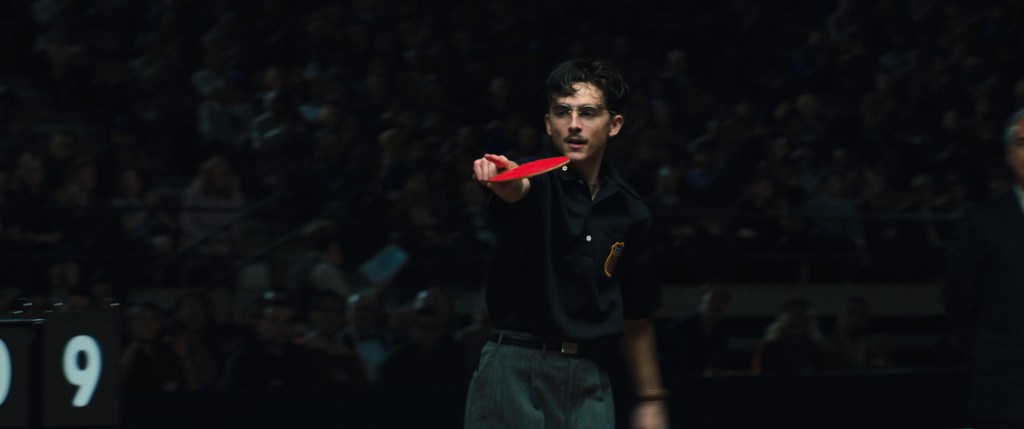
Dean: “I first saw the trailer for Marty Supreme right before watching One Battle After Another, and afterwards, I texted Ciara to say it looked like a fake movie from an SNL skit. Well, the joke is on me, because while the trailer really does look like an SNL skit, Marty Supreme is a masterpiece, at once a sprawling epic about individualism and identity in the postwar era and a suffocatingly intimate portrait of one man’s psychotic quest to be the very best, like no one ever was, at table tennis.
Marty Mauser may be psychotic, but he’s not delusional: he really is the best table tennis player in the entire world. And he will lie, cheat, steal, lie again, cheat some more, and maybe even kill to prove it. It’s tragedy and farce all in one, a film about Jewish-American identity, nationalism, capitalism, imperialism, what it means to love, the tension between being true to yourself and understanding that no one exists except through others, holding in your pee to practice holding in your cum, and the colour of ping pong balls. Timothée Chalamet is fantastic in the lead, but like Marty, he’s nothing without his ensemble, including the absolutely gonzo blend of Gwyneth Paltrow, Kevin O’Leary from Shark Tank, Tyler the Creator, Abel Ferrera and Fran Drescher. His best scene partner, however, is undoubtedly Odessa A’zion as his volatile childhood best friend and lover Rachel.”
Ciara’s runner-up: Bugonia – “Bugonia was instantly one of my favourite Yorgos Lanthimos films. At a moment where conspiracism is dyed in the wool of the political right, it both recognises the deep hurt that can draw people to extreme conspiracy theories and the blind willingness to hurt others that comes with believing them. But more importantly, it is both blackly funny and wacky-funny, a rare and thrilling balancing act.”
Dean’s runner-up: The Testament of Ann Lee – “The Testament of Ann Lee is quite simply the most singular and extraordinary film I’ve seen – or heard – in years, a musical epic about the titular founder of the Shakers that, appropriately enough, left me shaking. Its score combines traditional Shaker hymns, percussive dancing and vocal jazz into an utterly unique soundscape that is the breath and pulse of the whole film. But its heart is Amanda Seyfried’s electrifying lead performance as a woman desperately at odds with the world and unwilling to compromise.”
—
BEST DIRECTOR – Paul Thomas Anderson for One Battle After Another
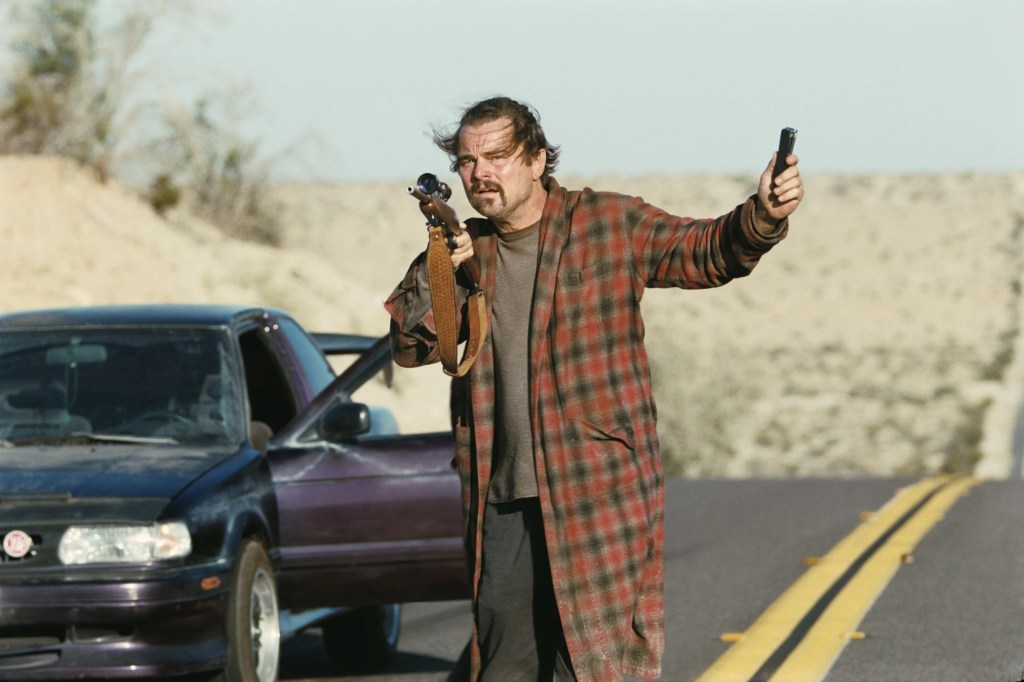
Ciara: “Paul Thomas Anderson frequently works in the style of other filmmakers: There Will be Blood is a Stanley Kubrick film, Magnolia riffs on Robert Altman, Licorice Pizza is Hal Ashby. I say this not as a diss, but as a joyous thing. I love seeing how he takes his influences and pulls them into his own weird directions. But spinning the PTA Pastiche-o-Meter on One Battle After Another was tougher. It’s both far-left agitprop and a propulsive car chase movie. It reminded me of both Sidney Lumet and stoner comedies and the original Gone in Sixty Seconds and a great glut of anti-fascist satire. All resting, of course, on the presumption that some of these strange bedfellows were really into dissolves and I never noticed.
But on further consideration, One Battle After Another is, more than anything, PTA’s Russ Meyer film: like the work of that wokest of softcore pornographers, OBAA is relentless political and never self-serious, meticulously constructed yet a loose-limbed romp, full of sex without being particularly erotic, when it’s much more interesting to be wacky, weird, and hysterically funny. Through the prism of that approach, PTA produces a combined showcase for his greatest strengths as a comedy director, an action director, and a director of actors. Also, it ends with a blast of ‘American Girl’ by Tom Petty, the greatest song in the world.”
Ciara’s runner-up: Ryan Coogler for Sinners – “More than any film in recent years, I remember Sinners in images. Not still frames, but shots: film art as the composition of movement and music. The camera weaving through the communal experience of centuries of black music feels genuinely revelatory in a way reminiscent of the masterpieces of the late silent era.”
Dean’s runner-up: Mona Fastvold for The Testament of Ann Lee – “Steven Soderbergh once said of Mad Max: Fury Road: ‘I don’t understand how they’re not still shooting that film and I don’t understand how hundreds of people aren’t dead.’ I am similarly in awe of The Testament of Ann Lee and its transcendent choreography of both human movement and camera movement during its many scenes of Shakers in ecstatic group worship. And it is a testament to Mona Fastvold’s brilliance as a director that it is frequently just as gripping in static shots of dialogue.”
—
BEST ACTOR – Timothée Chalamet as Marty Mauser in Marty Supreme
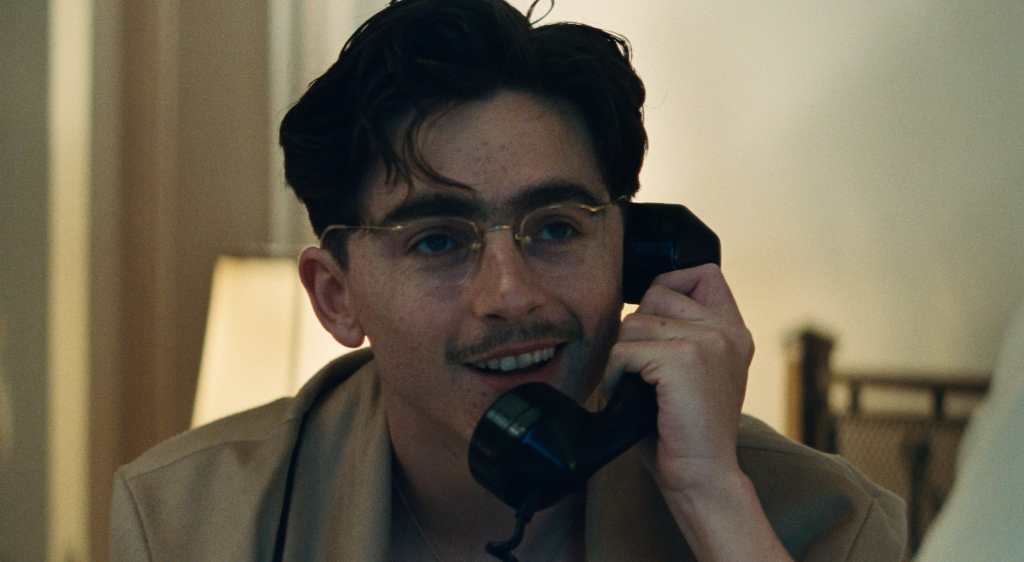
Ciara: “I’ve always liked Timothée Chalamet as an actor, but in Marty Supreme, he launches into another stratosphere. Chalamet has often played, for lack of a better term, pretty boys: from Lady Bird to Call Me By Your Name to Dune, they’re characters that people want to be, want to be around, or want to lead the Fremen to paradise. You might think Marty Mauser is that kind of character. He has the kind of charisma that takes up a room, he’s preternaturally talented at ping pong, and he looks like Timothée Chalamet (albeit with acne scars and glasses). You can’t take your eyes off him.
Marty Mauser is not that kind of character. He’s the kind that nobody wants to be, or be around, or lead their people to paradise. Just don’t tell him that. As performed by Chalamet, Marty sweats self-confidence: in the sense that he has it in excess, and in the sense that it is extremely effortful. He can blag his way into (almost) anything, but the world is nevertheless constantly threatening to collapse around him – not in a ‘look how much I have to lose’ way, but in a ‘I have so little that there’s nothing to break my fall’ way. Chalamet takes the template of some of the great charisma machines of the 1980s and imbues it with urgent desperation: kinetic to the point of frantic. He’s Ferris Bueller if he both never thought about his friends and was constantly on the verge of a meltdown. He’s a John Cusack asshole character who can’t smooth things over with the affable charm of John Cusack. He’s Tom Cruise if his brightest smile couldn’t convince the Pope to dropkick a baby. It’s the kind of performance that makes you believe in movies again.”
Ciara’s runner-up: Leonardo DiCaprio as Pat Calhoun / Bob Ferguson in One Battle After Another – “I saw Titanic in the cinema when I was four. Leo has been a movie star for literally as long as I can remember. And so I was surprised to realise that he is basically a comedy actor now – and probably the best one on earth? Him trying to remember the password is the funniest thing I’ve seen in forever.”
Dean’s runner-up: Benicio del Toro as Anatole “Zsa-Zsa” Korda in The Phoenician Scheme – “What an absolute gift to have Benicio del Toro on our screens in these dark times. Zsa-Zsa Korda is a cold-blooded enigma of a man, and del Toro manages to maintain that sense of inner mystery right to the end without sacrificing emotional richness. His delivery of ‘I don’t need my human rights’ still chills me to the bone. Anyone else would kill for this to be their second-best performance of the year.”
—
BEST ACTRESS – Jennifer Lawrence as Grace in Die My Love
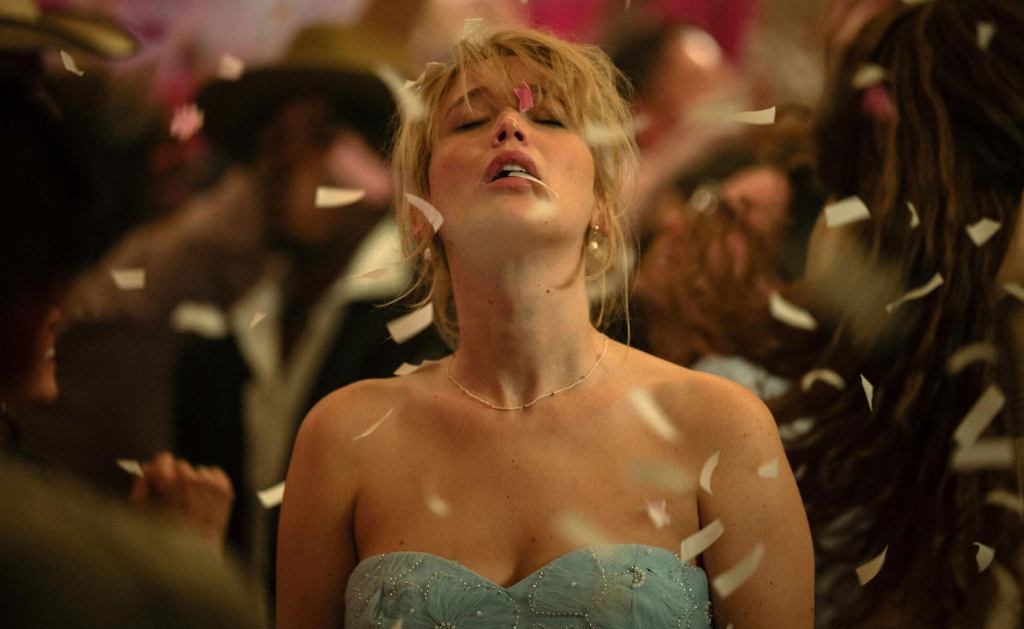
Dean: “Almost a decade after mother!, what a delight to watch Jennifer Lawrence as a troubled woman losing her mind alone in a house, instead of the only sane woman trapped in a house full of lunatics. She even gets to fuck up a sink!
Grace is young, dumb and full of ennui, an emotionally immature writer who lets her well-meaning dipshit boyfriend Jackson (Robert Pattinson) convince her to leave New York City for his late uncle’s crumbling abode in rural Montana while heavily pregnant. She has postpartum depression after her son is born, which gradually develops into full-blown psychosis as her isolated life alone with the baby grinds away her sense of self.
Jennifer Lawrence is never better, whether she’s dancing in a rain of confetti or crawling through the grass with a knife in her hand. Her feelings are rarely straightforward, or even necessarily linear, but it’s chaos, not randomness, her every expression a shockwave of her inner collapse. One minute feral, the next in a fugue, desperate to talk to anyone except the people she can and so visibly pissed off whenever they try. Passionate, numb, horny, cruel, even occasionally joyful, but more than anything, she’s so, so funny when she’s bored. I’ve never been so entertained by someone not being entertained.”
Ciara’s runner-up: Jessie Buckley as Agnes Shakespeare in Hamnet – “Jessie Buckley finally got the star turn she deserves as a wild witch woman cursed with the knowledge that her twins won’t both outlive her, which only makes grief for her son’s death more desperate – the kind of pain that can only be expressed in an unending howl.”
Dean’s runner-up: Amanda Seyfried as Ann Lee in The Testament of Ann Lee – “I have always thought Amanda Seyfried a severely underrated actor and raged when she didn’t get more plaudits for playing Elizabeth Holmes in The Dropout. But this went so far beyond my expectations I can barely believe it. It isn’t just the best performance of her career: it would be the best performance of almost anyone’s career. Range and depth feel like shallow words for the sheer breadth of emotion she captures, from the nadir of traumatic grief to the zenith of divine bliss and every colour between. A once-in-a-generation performance.”
—
BEST SUPPORTING ACTOR – Benicio del Toro as Sergio St. Ramos in One Battle After Another
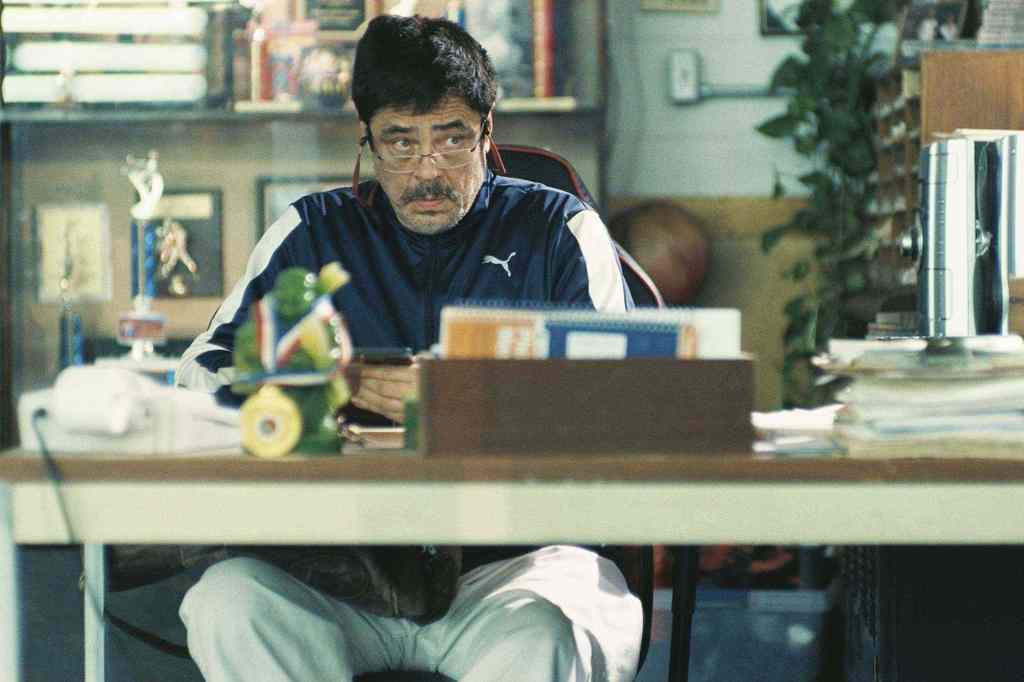
Dean: “I’ve always liked Benicio del Toro, but after last year, I’ll follow him into battle. Who knew he was this effortlessly funny? Apparently both Wes and Paul Thomas Anderson, but where he commands The Phoenician Scheme from the lead, here he steals the film from the supporting ranks. His delivery of the phrase ‘a few small beers’ alone has deservedly become instantly iconic.
Sergio St. Ramos is the coolest dude ever, a karate sensei and community leader who works tirelessly to protect the undocumented residents of Baktan Cross, California in an increasingly fascistic US. When the villains use a crackdown on immigrants as a cover to besiege the city in pursuit of their larger agenda – anyone else getting déjà vu? – he calmly leads the evacuation through an intricately connected series of tunnels between buildings.
Sergio feels like the hero of another story, but he’s also the hero of this one, an infectious voice for hope in a world of despair. He takes every new calamity in his stride, but his positivity and optimism don’t feel naïve, they feel hard-earned, like he knows something about hope that we don’t. Following the evacuation, he becomes a kind of guardian angel for Bob, putting himself on the line to make sure a father and daughter can find each other. I’d follow him into battle too.”
Ciara’s runner-up: Paul Rudd as Austin Carmichael in Friendship – “In a lesser movie, Austin would be flatly generic: a cardboard cutout onto which Tim Robinson could project his desires and insecurities. Rudd could have coasted that way. But instead, he makes Austin a weird little guy himself, who both craves that wide-eyed admiration and fears the form in which it comes. Also, the little wink? Blew me away.”
Dean’s runner-up: Delroy Lindo as Delta Slim in Sinners – “I can’t imagine anyone but Delroy Lindo as Delta Slim, an alcoholic bluesman lured from his usual Saturday night spot with the promise of Irish beer. The scene where he tells Stack and Sammie how he knows the men on the chain gang is a symphony of emotion that should be studied for years to come, but he’s also consistently the most hilarious member of the cast.”
—
BEST SUPPORTING ACTRESS – Pamela Anderson as Beth Davenport in The Naked Gun
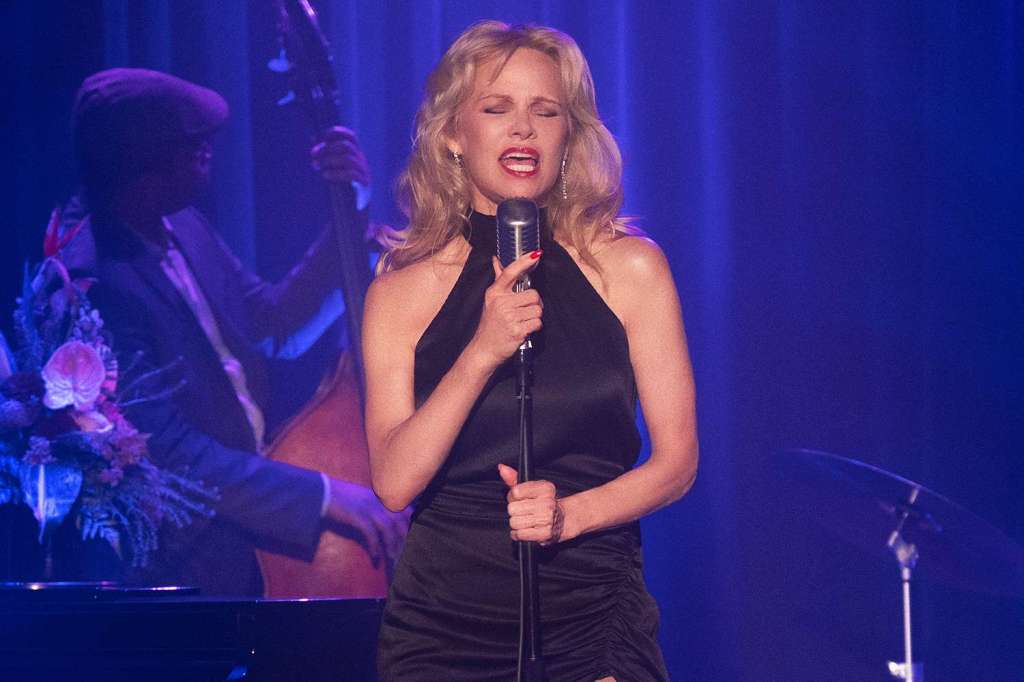
Ciara: “It is a strange thing to witness the Pamela Anderson renaissance when she was denied much of a naissance to begin with. And yet here we are, and it’s wonderful: she’s a cinephile who cinema decided to finally love back. If last year’s The Last Showgirl established her dramatic chops – playing a brittle and egotistical woman who has sacrificed everything of worth in her life for being in a sleazy titty show – then her turn in The Naked Gun is a showcase for her comedic talents. It turns out that she’s one of the funniest performers on the planet.
Where Liam Neeson, like Leslie Neilsen before him, plays the absurd with an immoveable straight face, Anderson employs a range of comedic styles while continuing to chime with Neeson opposite her. She gives her parody femme fatale character surprising light and shade. Take the scene where she scat-sings with a jazz band, to distract the jazz-loving bad guy. She does the classic Naked Gun straight-face stuff – ‘May I speak freely?’ ‘I’d prefer English.’ – and does an extremely funny no-sell of spitting out her drink when he says it’s from Bill Cosby’s private estate, all while anxiously monitoring what Frank Drebin’s getting up to and pretending not to be. Then she gets up on stage, all sultry and seductive, and starts scatting. There are a lot of ways you could play this – from unexpected mastery to clueless desperation – but Anderson goes for total commitment and ambiguous skill, devolving into genuinely weird places, like crying. But what sells it is when the bad guy looks concerned and she goes, ‘I’m fine!’ Amazing.”
Ciara’s runner-up: Amy Madigan as Gladys in Weapons – “Madigan’s performance as Gladys is reminiscent of psycho-biddy movies of the 1960s and 1970s, not in a surface way, but tapping into what makes those films interesting: her drag queen look emphasises femininity as a performance, her ‘visiting older relative’ status marks her as both powerful and vulnerable, she’s commanding one minute, dotty the next. She’s unsettling, and it thrills.”
Dean’s runner-up: Bridget Everett as Louise in Wake Up Dead Man – “Bridget Everett appears in three shots in Wake Up Dead Man as Louise, who works at her brother’s construction company, for a total of less than thirty seconds. Her voice is heard, over the phone, for less than four minutes of dialogue across two calls. I’ve thought about it more than any other performance in the last year. She is the soul of the entire film, its humanity.”
—
BEST ORIGINAL SCREENPLAY – Ryan Coogler for Sinners
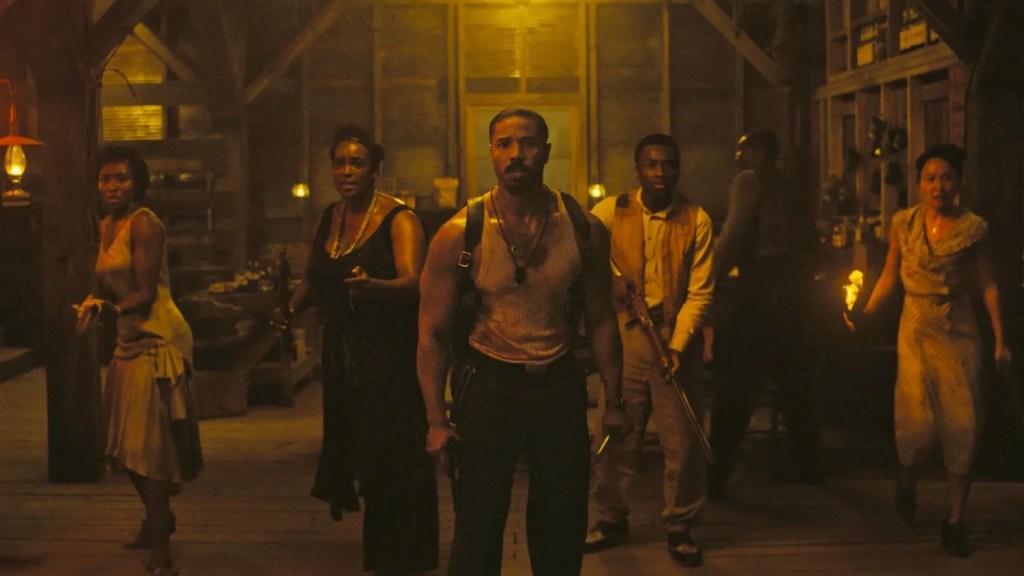
Ciara: “Sinners is, from a distance, pretty similar to From Dusk till Dawn: two brothers seem to be going along in a movie about their criminal enterprises, only to end up in a club beset with vampires. But that’s all there really is to From Dusk till Dawn. By contrast, Sinners layers in so much rich characterisation, historical detail and symbolic meaning that I have no doubt someone is already writing a dissertation on it.
Coogler’s screenplay has many virtues, from its willingness to take its time and let the story breathe to its vivid sense of period and place: Clarksdale, Mississippi, 1932, not a mile west or a moment later. But what I love most about it is its evocation of the complex intercultural dynamics that have always been inherent to American culture. Sinners is, first and foremost, a film about black people, but that makes it – almost inextricably – a film about Delta Chinese, Choctaw, and Irish people. About their parallel traumas and the music in their bones, and the constant, often unequal, often uncomfortable, often beautiful, often productive cross-fertilisation between their cultures. I joked after watching it that it is a great film about the origins of tap dancing, but really: was there ever a more thrilling depiction of how Irish traditional music and black music like the blues fed into each other to create the twentieth century as we know it? They say writing about music is like dancing about architecture, and Coogler’s screenplay dances about architecture with the best of them.”
Ciara’s runner-up: Ronald Bronstein & Josh Safdie for Marty Supreme – “Marty Supreme is a 1980s Tom Cruise vehicle about a classic sports movie villain who passes for an underdog because he plays ping-pong and nobody gives a shit. I laughed more than I have at anything else that came out this year. All the other emotions it made me feel were just a bonus.”
Dean’s runner-up: Kelly Reichardt for The Mastermind – “Starting a heist movie with the heist, and then spending the entire rest of the runtime on the fallout, is brilliant in its simplicity, but this film is anything but simple. The unspooling is as elegantly plotted as the heist is poorly planned. We learn so little of the characters outside the scenario of the film, and yet they all feel so rich and vivid. Tense, funny and frustrating in all the best ways.”
—
BEST ADAPTED SCREENPLAY – Will Tracy for Bugonia
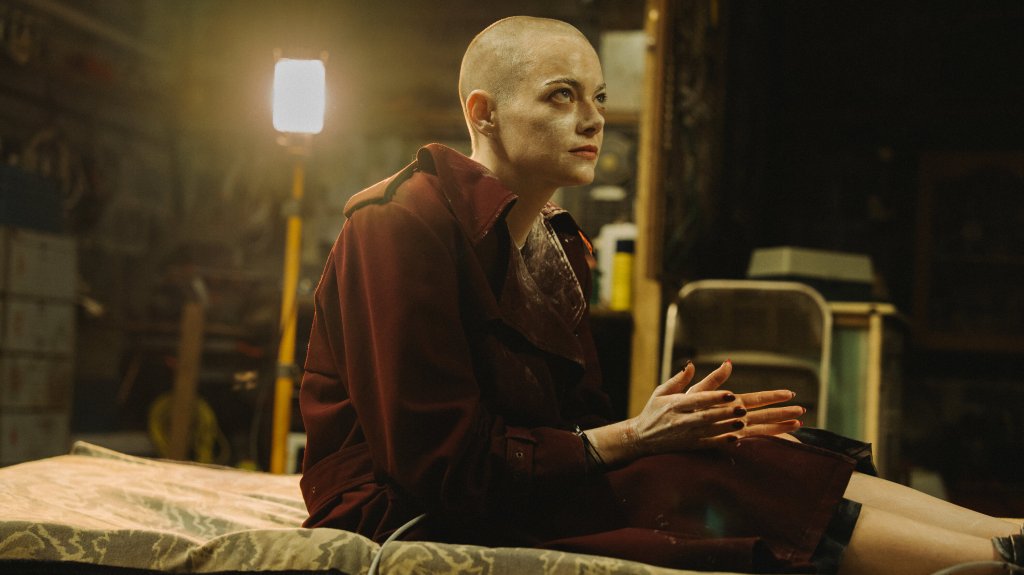
Dean: “Bugonia is the film that Yorgos Lanthimos made for me personally, a sickly sour cynical treat about conspiracism and extremism, and its foundation is Will Tracy’s marvellous script, the most dryly funny that Lanthimos has directed since The Killing of a Sacred Deer.
Teddy (Jesse Plemons) is one of the best portrayals of a conspiracist I’ve ever seen. I’ve met this guy. I’ve gone for a hike with this guy. Bugonia is wise enough to understand the biggest obstacle to bringing conspiracists back to reality is that the basic way they feel about the world is correct. We really are ruled by an unaccountable elite who play God with our lives in pursuit of hidden agendas. We really are powerless in comparison to our rulers, and in that powerlessness, there is not just fear, but grief and resentment. Teddy isn’t stupid, he’s hurt. He can’t be reasoned with because he rationalised his way into conspiracism in the first place.
But more important than that understanding is how it milks it for both drama and comedy, deftly managing shifting sympathies and the ebb and flow of trust and doubt, between the characters, but also between the characters and the audience. It doesn’t just balance its seriousness and silliness, it collapses them together until you’re gasping at gags and laughing in fear.”
Ciara’s runner-up: Harry Leighton for Pillion – “I was happy to learn that gay leather culture still exists enough that you can write a movie about it set in the present. But I was delighted that you can write that movie to be this funny, romantic, disquieting, and deliciously ambiguous.”
Dean’s runner-up: Dan Gregor, Doug Mand & Akiva Schaffer for The Naked Gun – “‘It says you served twenty years for man’s laughter. Must have been quite the joke.’ Jokes-per-minute is crude measure of comedy, but it’s still one we put a lot of stock in around these parts. Akiva Schaffer’s reboot of The Naked Gun is, against the odds, one of the pound-for-pound funniest films I’ve seen in years, and the best parody film since Popstar.”
—
SPECIAL ACHIEVEMENT AWARD (BEST IRISH FILM) – Saipan
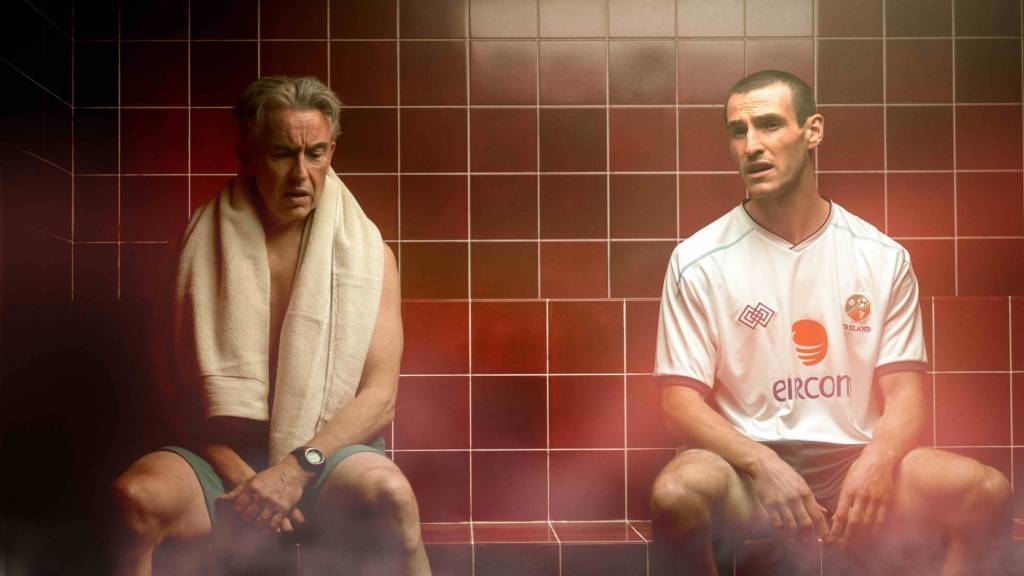
Ciara: “Saipan has had the dual curse of being about something so specifically Irish that international audiences probably won’t see it, while being received by a decaying Irish critical landscape fixated on whether or not it’s ‘accurate’ while misunderstanding the most basic grammar of film. But maybe when Éanna Hardwicke inevitably becomes a movie star, the world will realise Saipan is probably one of the best Irish films ever made.
It follows, of course, the Ireland team’s preparation for the 2002 World Cup. It is a film about Irish identity in a moment of flux and rebuilding and transition. Glenn Leyburn and Lisa Barros D’Sa integrate archival footage and footage of the actors into audacious montages that run somewhere between Baz Luhrmann and Reeling in the Years, establishing the Celtic Tiger economic boom or the state of Irish football in the most cinematic of terms. I thought of the text epilogue to Cool Runnings: ‘They returned to Jamaica as heroes. They returned to the Olympics as equals.’ If Ireland’s appearance in the 1990 World Cup made the team heroes at home, the 2002 World Cup should have been Ireland returning as equals. A declaration of our standing in the world, unapologetic and unafraid. And instead, the plot of Saipan happened.
But for all its breadth, the film never loses sight of the personal relationship at its centre: Hardwicke as Roy Keane, one of George Bernard Shaw’s unreasonable men, who sincerely believes that if they knuckle down they can win the World Cup, and Steve Coogan as Mick McCarthy, a man whose greatest ambition is to relive Italia 90 and is baffled anyone would have other ideas. Their conflict is inevitable, and yet, at every turn, avoidable. They just never quite manage to avoid it.”
—
SPECIAL ACHIVEMENT AWARD (BEST DOCUMENTARY) – Predators
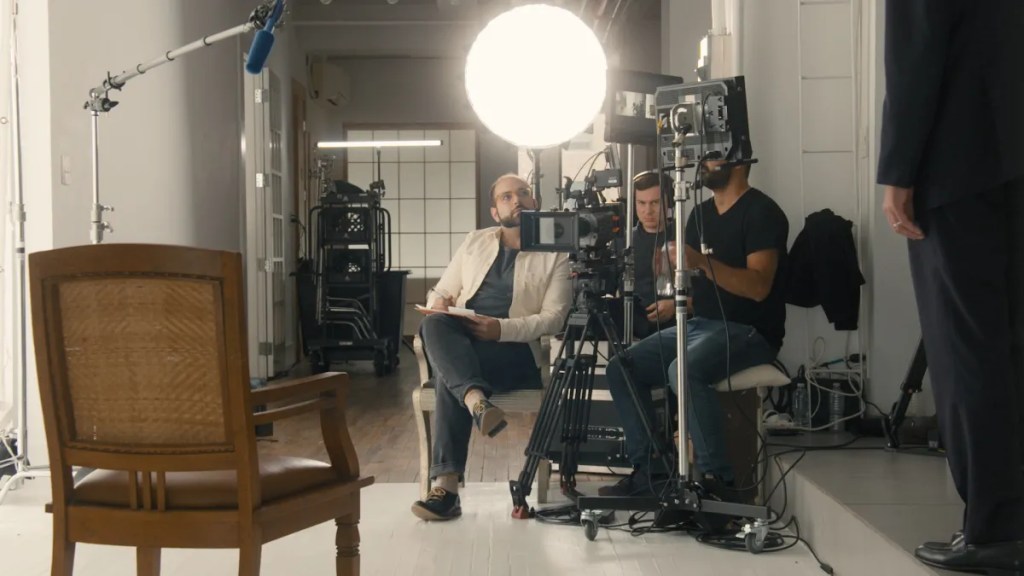
Dean: “Predators is an absolutely harrowing exploration of the mid-noughties television phenomenon that was Chris Hansen’s To Catch a Predator. While recalled in the popular imagination as an exploitative reality show, it was actually an exploitative investigative series for Dateline NBC, one of the most watched news programs in America. Director David Osit is a survivor of child sexual abuse and a former editor for true crime shows, which gives the film a fascinatingly complex point of view.
The first act deals with To Catch a Predator itself, and how ostensible journalist Chris Hansen decided ‘pedo hunter’ vigilantes were a good model for a news program to emulate. Behind-the-scenes footage from the show’s production shows how utterly false its claimed moral purpose – exposing predators and deterring abuse – was from the very start. It was an ugly and dangerous show that manipulated the most unsympathetic targets into a public ritual of humiliation and violence, for mass entertainment, where Hansen lied to their face about getting them help before cops tackled them to the ground. Or at least, that’s what happened when they didn’t kill themselves first.
But its legacy doesn’t end there: the second act deals with the wave of copycats that followed, and features a profoundly disturbing sequence where the filmmakers follow YouTuber Skeeter Jean on a ‘sting’ that leaves them shaken and questioning the ethics of their own involvement. By the time Hansen himself arrives for a sit-down interview in the third act, it has you yearning for a takedown, but what happens instead is all the greater because it is so profoundly unsatisfying.”
—

 The Sundae