Heart and Souls: The Sundae Presents, Episode 41

Ciara and Dean are joined by legendary friend of the show, Conor Hogan, co-host of Friday Film Showcased. They talk about video van men, set up and payoff, and Robert Downey Jr being a vaudeville kid unstuck in time. Listen below.

Heart and Souls The Sundae Presents

Listen on Spotify

Listen on Apple Podcasts

Listen on Amazon Music

Listen on Audible

Listen on RadioPublic

Listen on Pocket Casts

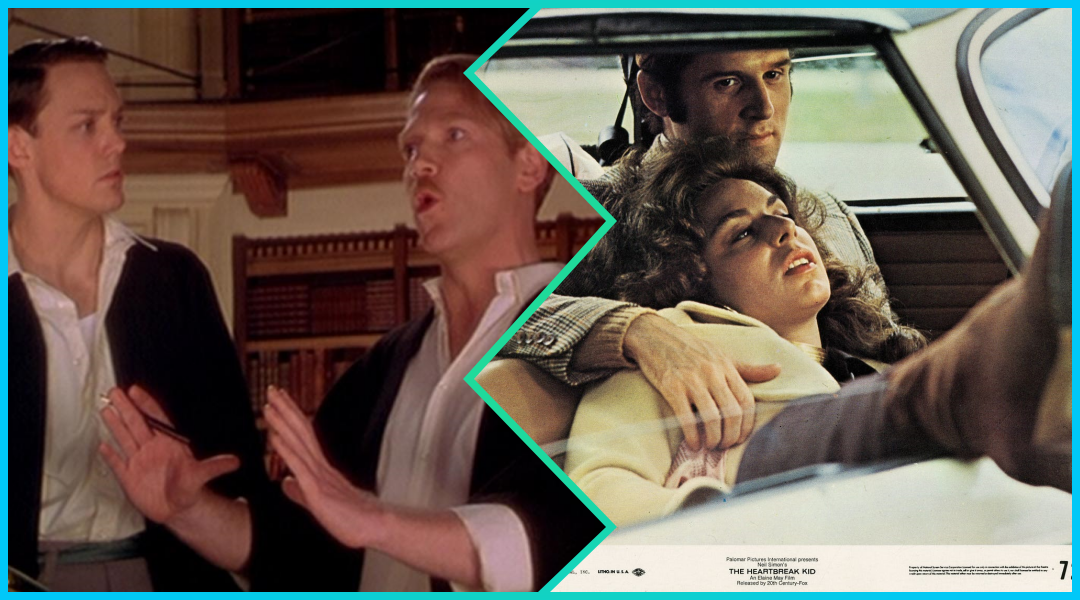
Friday Film Showcased, Episode 1: The Heartbreak Kid (1972) | Love’s Labour’s Lost (2000)

A brand new podcast, hot and fresh out the kitchen, hosted by Ciara Moloney and Conor Hogan.

For many years, with regard to their film-watching, Ciara and Conor have been theming their months. For instance:

  • Elaine May May (sic) – films starring, written by, or directed by Elaine May.
  • Darling works (?) of May – William Shakespeare Films.
  • Cartoon June – you know, animated.
  • Soviet (J)Un(e)(ion) – Films from countries that were once in the USSR.

Sometimes the titles of these months are puns, sometimes alliterative. Sometimes, it is awful strained altogether (see above). But it has always been fun. Or at least I hope so. They’ve been doing it long enough!

In the inaugural (that means first) episode of FFS, Ciara and Conor discuss their May film seasons (Elaine May and William Shakespeare), and Showcase two in particular.

Spoiler: It’s the two films in the title of this episode. Watchlist:

Elaine May: https://letterboxd.com/hoganassasin/list/elaine-may-may-sic/

William Shakespeare: https://letterboxd.com/hoganassasin/list/darling-works-of-may-shakespeare-watched/

You can listen to it here:

Episode 1: The Heartbreak Kid (1972) | Love's Labour's Lost (2000) Friday Film Showcased

And you can even listen to it accompanied by the soothing sounds of a Crackling Fireplace. Relaxing!

Crackling Fireplace Edition – Episode 1: The Heartbreak Kid (1972) | Love's Labour's Lost (2000) Friday Film Showcased

Listen and subscribe on: Spotify (with fireplace) || Apple Podcasts (with fireplace) || Amazon Music (with fireplace) || Castbox (with fireplace) || Pocketcasts (with fireplace)

Mentioned in the podcast

Jeffrey Salkin article on The Heartbreak Kid: https://religionnews.com/2021/05/20/charles-grodin/

Michael Sragow on Tootsie: https://www.criterion.com/current/posts/3404-tootsie-one-great-dame

Kenneth Branagh and Love’s Labour’s Lost cast on Charlie Rose: https://charlierose.com/videos/19196

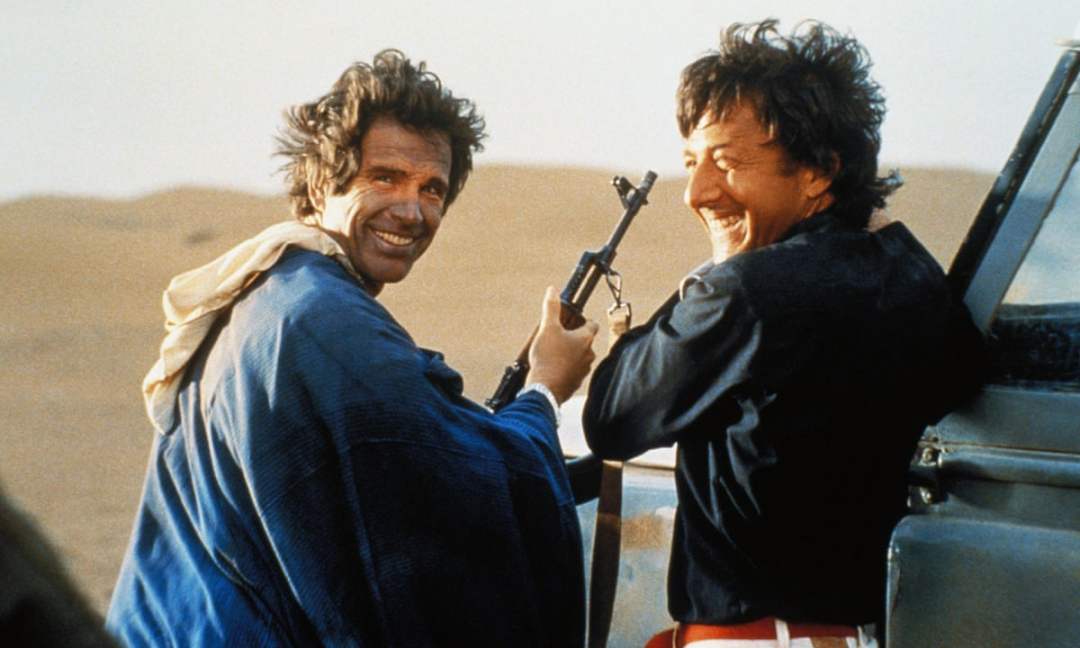
Ciara’s article in Ishtar: https://thesundae.net/2019/10/28/you-should-watch-ishtar/

Scenes from a Mall (1991): https://www.imdb.com/title/tt0102849/
Martin and Lewis, Partners in Film and Life

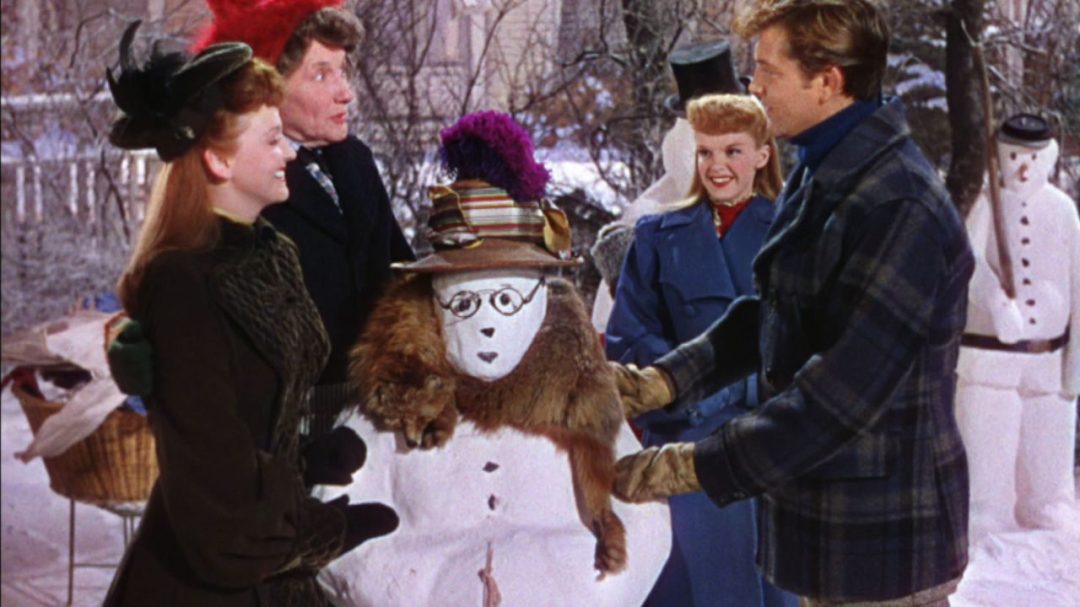
By rights, Martin and Lewis should have the kind of cultural footprint renders them permanent household names: the status that turns artists into Halloween costumes, as archetypal as cartoon characters and ancient gods. For ten years, from 1946 to 1956, Dean Martin and Jerry Lewis were a double act, and accurately describing how popular they were sounds like gross exaggeration. They were so big that the only fitting comparisons are to rock stars—and not just any rock stars, but Elvis Presley, or The Beatles. “For ten years after World War II, Dean and I were not only the most successful show-business act in history,” Jerry Lewis wrote with his trademark humility in Dean and Me: A Love Story (1984), “—we were history.” Their live shows were pandemonium. They reportedly made eleven million dollars in 1951 alone. Their movies were box office smashes (despite lukewarm reviews). No less an authority than Orson Welles said they were so funny that you “would piss your pants.”

Martin and Lewis have never been erased from cultural history, but they have been minimized: evaded, elided, downplayed. I was well into adulthood when I even learned that Dean Martin and Jerry Lewis had spent a decade as a double act. Their separate images—Dean Martin, Rat Packer, king of cool, and Jerry Lewis, doing wacky slapstick in The Bellboy (1960) or The Nutty Professor (1963)—seem to have endured in cultural memory much more than their work together. Maybe that’s because the willingness to go back and watch old episodes of The Colgate Comedy Hour (1950–55) would be extremely niche even if the media conglomerates cared about the preservation and accessibility of 1950s TV, not to mention 1940s radio. Maybe it’s because their true brilliance was in live—often improvised—performance, and so only shadows of their greatness remain. Their films were and are often viewed as pretty haphazard affairs, cashing in on a hot thing, not unlike Elvis’s movies in the decade that followed. (Martin and Lewis’s movies share a producer with Elvis’s—Hal B. Wallis—and sometimes directors, too, particularly Norman Taurog.) But the extraordinary thing is that, even if the films are just slapdash and shadows, Martin and Lewis were so great that their films are great films anyway. Their brilliance shines through the weakest material: the ineffable, bewitching something between them—an intimacy, an immediacy, an ingenuity—frozen in amber for those of us who would never see it in the Copacabana.

After exclusively thinking about Martin and Lewis for many months, I wrote a primer on them for MUBI Notebook. Read the whole thing here.

Tenacious D in the Pick of Destiny: The Sundae Presents Episode 29

Ciara and Dean co-host The Sundae Presents, a podcast in which they each make the other watch films they haven’t seen. After months of broken promises and outright lies, it’s here: Ciara and Dean finally dig into Tenacious D in the Pick of Destiny. They talk about the origin of the titular band, its religious epic structure, and why Jack Black swore to never write another film.

Tenacious D in the Pick of Destiny The Sundae Presents

Listen on Spotify

Listen on Google Podcasts

Listen on Apple Podcasts

Listen on Amazon Music

Listen on Audible

Listen on RadioPublic

Listen on Pocket Casts

Ishtar: Love at Worst Sight Episode 2

Ciara and Dean co-host The Sundae Presents, a podcast in which they each make the other watch films they haven’t seen. Specifically, films considered among the worst of all time, for a new miniseries called Love at Worst Sight. In episode two, Ciara finally makes Dean watch Elaine May’s iconic comic flop Ishtar. They talk about its legendarily troubled production, how it became a punchline and why it deserves to be reclaimed.

Listen on Spotify

Listen on Google Podcasts

Listen on Apple Podcasts

Listen on Amazon Music

Listen on Audible

Listen on RadioPublic

Listen on Pocket Casts

The Happening: Love at Worst Sight Episode 1

Ciara and Dean co-host The Sundae Presents, a podcast in which they each make the other watch films they haven’t seen. Specifically, films considered among the worst of all time, for a new miniseries called Love at Worst Sight. In the first episode, Dean puts Ciara through the ordeal of M. Night Shyamalan’s infamous flop The Happening. They talk about whether it’s funny, whether it’s meant to be funny, and how it could possibly have ended up like that.

The Happening The Sundae Presents

Listen on Spotify

Listen on Google Podcasts

Listen on Apple Podcasts

Listen on Amazon Music

Listen on Audible

Listen on RadioPublic

Listen on Pocket Casts

Morvern Callar: The Sundae Presents Episode 24

Ciara and Dean co-host The Sundae Presents, a podcast in which they each make the other watch films they haven’t seen. For our second Christmas Special, Dean showed Ciara that timeless seasonal classic, Lynne Ramsay’s 2002 suicide drama Morvern Callar. They talked about how funny it is, whether the main character is a psychopath and if it’s even a Christmas film.

Morvern Callar The Sundae Presents

Listen on Spotify

Listen on Google Podcasts

Listen on Apple Podcasts

Listen on Amazon Music

Listen on Audible

Listen on RadioPublic

Listen on Pocket Casts

The People’s Tramp [Current Affairs]

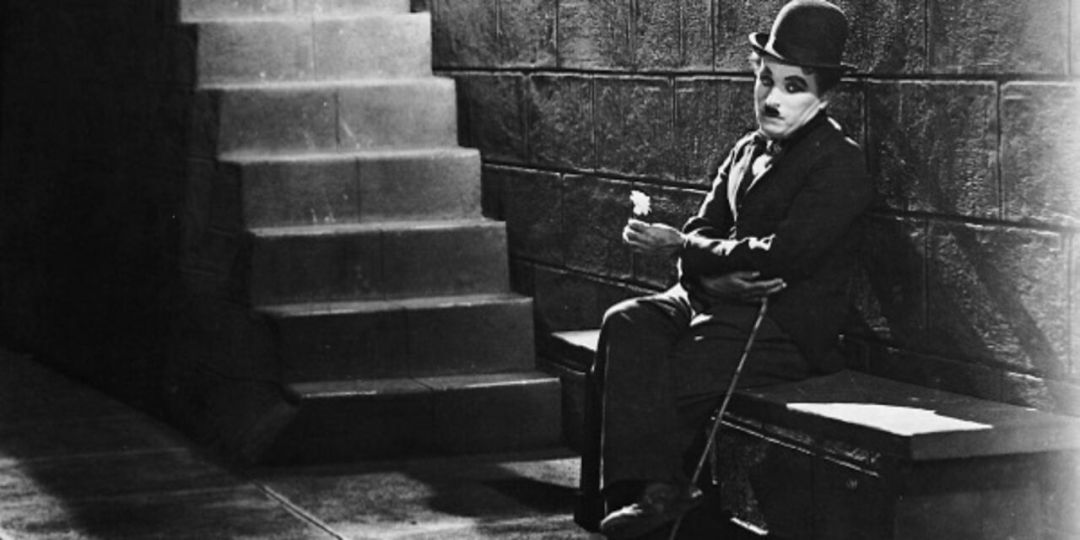
Even if you’ve never seen a silent movie, you know Charlie Chaplin’s The Tramp. His too-big trousers and too-tight jacket, his bowler hat, his toothbrush mustache, his cane, his too-big shoes pointed at right angles to his body: you can recognize him from his silhouette. Samuel Beckett doodled him in his manuscripts, and Pam on The Office dressed up as him for Halloween. You can buy a poster of the Tramp in every pop-up poster shop in the world. He is the most iconic figure in classic cinema, one of the most iconic figures in any visual art, and was certainly one of the most beloved.

A hundred years or so later, it’s fascinating to consider that The Tramp was a character living in extreme poverty and frequently homeless—that is, the kind of character who has almost no place in the biggest, most popular movies of our time, even as homelessness and extreme poverty are as endemic as ever.

I wrote about Charlie Chaplin for Current Affairs! You can read it here.

The Evil Dead / Evil Dead II: The Sundae Presents Episode 8

Ciara and Dean co-host The Sundae Presents, a podcast in which each of us makes the other watch films they haven’t seen. For our first Halloween Spooktacular, Ciara shows Dean a Sam Raimi double bill: The Evil Dead and Evil Dead II. They talk about the genius of Bruce Campbell, innovation born from ignorance, and all the different kinds of goo.

The Evil Dead / Evil Dead II The Sundae Presents

Listen on Spotify

Listen on Google Podcasts

Listen on Apple Podcasts

Listen on RadioPublic

Listen on Pocket Casts

Listen on Castbox

Nightmares / Phases / Professions

A Nightmare on Elm Street 3: Dream Warriors

Asked to picture a mental hospital in a horror film, most of us would think similarly. From old B-movies to Halloween to the recent Happy Death Day and IT, they house dangerous maniacs itching for an escape, a weapon and an unsuspecting innocent to murder. It’s a trope A Nightmare on Elm Street 3: Dream Warriors plays into: a nun reveals that Freddy Krueger was the result of her gang-rape in an asylum, making him “the bastard son of a thousand maniacs.”

But Dream Warriors also flips this on its head. Our heroes, teenagers in a psychiatric unit, are all tormented by Freddy in their dreams, and Freddy is both a metaphor and a catalyst for mental health problems. Kristen Parker (Patricia Arquette) lands in the hospital after Freddy slits her wrists, but the other kids – in desperate attempts to stay awake or just deal with the trauma of their dreams – exhibit symptoms of mental illness. Jennifer puts out cigarettes on her arms. Will is paralyzed at the waist after a botched suicide attempt. Joey, once a high school debater, is mute.

Continue reading “Nightmares / Phases / Professions”