Friday Film Showcased, Episode 5: Giallo – Don’t Torture a Duckling (1972)

For many years, with regard to their film-watching, Ciara and Conor have been theming their months. On Friday Film Showcased (FFS to friends, and sometimes enemies), they look back on themes gone by.

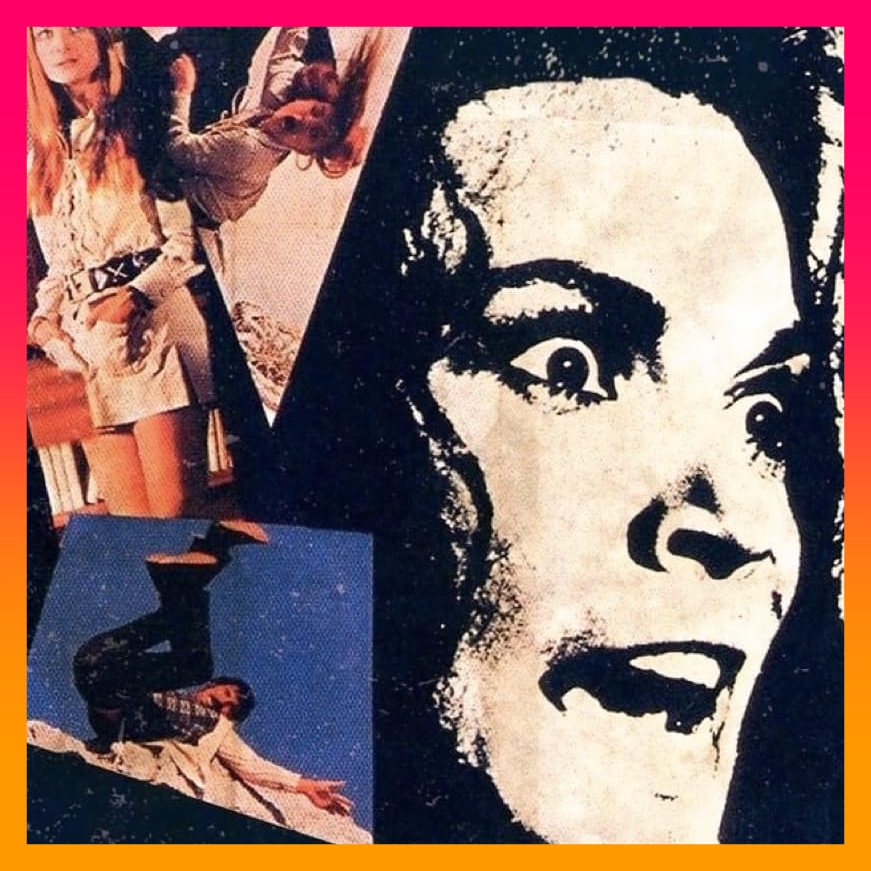
In the quintus episode of FFS, Ciara and Conor continue their discussion of the giallo genre with a deep dive on Lucio Fulci’s 1972 masterpiece, Don’t Torture a Duckling. Spoilers abound! You can find our previous instalment, where we discussed giallo more broadly, here. (Including an edition in which all screams have been replaced by bunny noises. How relaxing!)

And make sure to tune in to the end of the episode for Conor’s original song inspired by the film!

Episode 5: Giallo – Don't Torture a Duckling (1972) Friday Film Showcased

Listen and subscribe onSpotify || Apple Podcasts || Amazon Music || Castbox || Overcast || Pocketcasts || Goodpods

Giallo list on Letterboxdhttps://letterboxd.com/hoganassasin/list/giallo-season/

Mentioned in the podcast

Ciara’s Fangoria article about Don’t Torture a Duckling: ⁠https://www.fangoria.com/lucio-fulci-so-much-more-than-the-godfather-of-gore-dont-torture-a-duckling-at-50/

The Giallo Files: https://giallofiles.blogspot.com/

The Servant: The Sundae Presents Episode 32

Ciara and Dean co-host The Sundae Presents, a podcast in which they each make the other watch films they haven’t seen. Dean fulfils a long-held ambition to introduce Ciara to his boys, director Joseph Losey and actor Dirk Bogarde, with their 1963 film The Servant. They talk about its homoeroticism, the class anxieties of 60s London and whether Dean hates James Fox.

The Servant The Sundae Presents

Listen on Spotify

Listen on Google Podcasts

Listen on Apple Podcasts

Listen on Amazon Music

Listen on Audible

Listen on RadioPublic

Listen on Pocket Casts

Midnight Cowboy: The Sundae Presents Episode 31

Ciara and Dean co-host The Sundae Presents, a podcast in which they each make the other watch films they haven’t seen. Ciara gets to show Dean a film for the first time in months, and it’s a big one: John Schlesinger’s multi-Oscar-winning Midnight Cowboy. They talk about disability, poverty and sexuality, its satire of Andy Warhol’s Factory and how dumb Joe Buck is.

Midnight Cowboy The Sundae Presents

Listen on Spotify

Listen on Google Podcasts

Listen on Apple Podcasts

Listen on Amazon Music

Listen on Audible

Listen on RadioPublic

Listen on Pocket Casts

The Cheerfully Dystopian Americana of Hands on a Hard Body

On paper, the premise of Hands on a Hardbody: The Documentary–released twenty-five years ago this week–might sound niche: it documents a 1995 endurance competition where the last contestant to keep their hands on a Nissan Hardbody pick-up truck wins the truck. But on screen, it’s enthralling, an irresistible salted-caramel treat. It is, somehow, both giddy and grim: at once a bite-sized anthropological study of post-Reagan America and the most exciting sports movie not to feature Rocky Balboa. 

A dealership in Longview, Texas has run the Hands on a Hardbody competition for years. The twenty-four contestants are drawn from a raffle because there are so many entrants: you’re only allowed to put your name forward once per day, so prospective hopefuls come back day after day to maximise their chances of being selected. When the selected two dozen arrive on the morning of the competition, the rules are outlined. You must have one hand on the truck. You cannot lean on the truck, or squat; you have to be standing. There is a five-minute break hourly and fifteen-minute break every six hours.  The first time I watched it, I thought six hours seemed like a long time. 

I wrote about Hands on a Hard Body for Crooked Marquee. You can read it here!

The Miracle Worker Is Not The Film You Think It Is

The Miracle Worker is something of a middle school staple in the United States. Helen Keller is a significant figure in American history—she was the first deafblind person to earn a bachelor’s degree and a co-founder of the American Civil Liberties Union, among other things—and the 1962 film offers an accessible way into her story. But when something’s a middle school staple, you inevitably tend to continue viewing it through your middle school eyes, no matter how the years pass. It can take so much to let go of that—even though, if pushed, none of us would have trouble admitting that we were really stupid when we were 13. 

I’m from Ireland, where The Miracle Worker doesn’t have that kind of cultural cache, but I’ve spent enough of my life online to absorb it by osmosis. For American leftists in particular—eager to reassert Helen Keller’s socialism, since that doesn’t seem to come up in middle school—The Miracle Worker is almost a bogeyman. The more I learned about Helen Keller, the more it seemed like people talking about her life and work were actively countering The Miracle Worker, sometimes explicitly. The Miracle Worker is the official Helen Keller story, sanitized and shrink-wrapped for moral majority suburbanites, a reduction of a complex, trailblazing woman. For disability activists, it’s invoked the way Rain Man is by autistics: this is how they see us, this is what we are understood to be

I wrote about the 1962 Helen Keller biopic The Miracle Worker for Current Affairs. You can read it here!

The Best Years of Our Lives: The Sundae Presents Episode 28

Ciara and Dean co-host The Sundae Presents, a podcast in which they each make the other watch films they haven’t seen. Ciara takes Dean back to 1946 with The Best Years of Our Lives, William Wyler’s kitchen sink epic about soldiers returning from World War II. They talk about Harold Russell’s double-Oscar-winning performance as Homer Parrish, Gregg Toland’s groundbreaking deep focus cinematography and why Ayn Rand tried to complain about the film in Congress.

The Best Years of Our Lives The Sundae Presents

Listen on Spotify

Listen on Google Podcasts

Listen on Apple Podcasts

Listen on Amazon Music

Listen on Audible

Listen on RadioPublic

Listen on Pocket Casts

Samurai vs Cowboy: Best of Seven: The Sundae Presents Episode 25

Ciara and Dean co-host The Sundae Presents, a podcast in which they each make the other watch films they haven’t seen. A year after Whedon v Snyder, it’s another “versus” episode: Dean brought Akira Kurosawa’s Seven Samurai and Ciara brought its US remake The Magnificent Seven. They look at how each film examines the cultural figures of the samurai and cowboy, what changed in adaptation (and what didn’t), and how much craic they are.

Samurai vs Cowboy: Best of Seven The Sundae Presents

Listen on Spotify

Listen on Google Podcasts

Listen on Apple Podcasts

Listen on Amazon Music

Listen on Audible

Listen on RadioPublic

Listen on Pocket Casts

The People’s Tramp [Current Affairs]

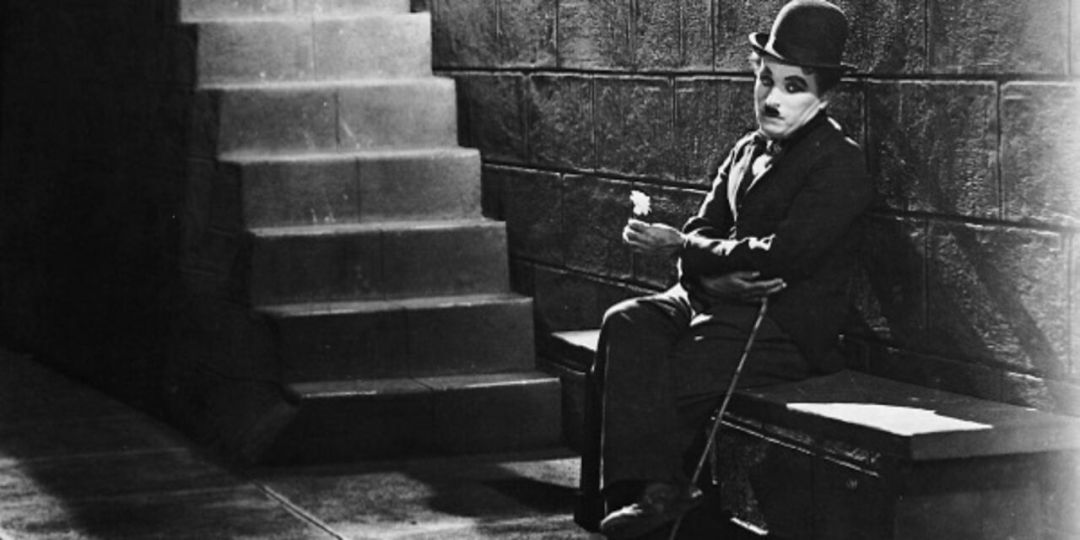
Even if you’ve never seen a silent movie, you know Charlie Chaplin’s The Tramp. His too-big trousers and too-tight jacket, his bowler hat, his toothbrush mustache, his cane, his too-big shoes pointed at right angles to his body: you can recognize him from his silhouette. Samuel Beckett doodled him in his manuscripts, and Pam on The Office dressed up as him for Halloween. You can buy a poster of the Tramp in every pop-up poster shop in the world. He is the most iconic figure in classic cinema, one of the most iconic figures in any visual art, and was certainly one of the most beloved.

A hundred years or so later, it’s fascinating to consider that The Tramp was a character living in extreme poverty and frequently homeless—that is, the kind of character who has almost no place in the biggest, most popular movies of our time, even as homelessness and extreme poverty are as endemic as ever.

I wrote about Charlie Chaplin for Current Affairs! You can read it here.

The Plumber Is a Sour Clash of Class and Gender [Certified Forgotten]

After directing Australian New Wave classics Picnic at Hanging Rock and The Last Wave, Peter Weir made The Plumber, a television film that — like Steven Spielberg’s Duel — was released theatrically in overseas territories. It’s a forgotten middle child of Weir’s filmography. Not a ground-breaking piece of art like the dreamily stylish Picnic at Hanging Rock nor a universal cultural touchstone like later Weir films Dead Poets Society or The Truman Show. But beyond its beginnings on television, the pleasures The Plumber offers are more off-kilter. It goes down satisfyingly sour. 

I wrote about Peter Weir’s TV movie The Plumber for Certified Forgotten! You can read it here.

Good Will Hunting: The Sundae Presents Episode 5

Ciara and Dean co-host The Sundae Presents, a podcast in which each of us makes the other watch films they haven’t seen. This episode, Ciara makes Dean watch Good Will Hunting for the first time. They talk about class, toilet humour, and whether Ben Affleck is a good actor. 

Good Will Hunting The Sundae Presents

Listen on Spotify

Listen on Google Podcasts

Listen on Apple Podcasts

Listen on RadioPublic

Listen on Pocket Casts

Listen on Castbox