You should watch No More Jockeys [Digital Spy]

Originally invented by Mark Watson and Tim Key in 2001, No More Jockeys had a brief life on the BBC Comedy website in 2009 as a spin-off from Horne, Key and Watson’s panel show We Need Answers. But it was given new life earlier this year when the guys started filming episodes over video call during lockdown.

I wrote about the brilliant, wonderful, delightful No More Jockeys for Digital Spy. You can read it here!

Notes on The Conjuring

This article is part of the Notes on Failure series, which discusses interesting cinematic failures. Previously, The Last Jedi.

The Conjuring was a smash hit on release in 2013. It tested so well with audiences that Warner Brothers moved its release from the February dead zone to the summer blockbuster season. It was the first horror film to get an A from CinemaScore, who calculate an average score based on surveys of cinema audiences (and have been since 1979). It’s inspired an entire cinematic universe of sequels, prequels and spin-offs, with three more in the works. It was critically praised, too: reviews routinely described it as a classy throwback to films like The Exorcist, a kind of slow-burn horror in marked contrast to James Wan’s directorial debut, torture porn pioneer Saw.  

The problem with this, of course, is that The Conjuring sucks. Here’s why. 

Continue reading “Notes on The Conjuring”

You Should Watch Figures in a Landscape

I find it easy enough to sell people on a film I love when it’s widely hated. The bad reputation of a film like The Happening is obviously an obstacle to selling people on it, but it’s also kind of a hook. At the very least, it saves me some explaining and gives me an initial impression to subvert. People also get a bit of a thrill from contrarianism. It feels good to reject the consensus, especially in such a low-stakes way as liking a film most people – or most critics – think is shit. Discovering a hidden gem or a misjudged masterpiece makes you feel like you’re in on a cool secret. It’s countercultural in the most literal sense. I know exactly how I’d pitch someone on the surprisingly moving Adam Sandler comedy Click or the director’s cut of the 2003 Daredevil movie with Ben Affleck. 

But sometimes films aren’t just hated or underrated. Sometimes, they’re not even forgotten: no one paid them enough attention in the first place to forget them. They’re the tough sell. It’s one thing to have been received with disdain, but to have simply been ignored? At least films that were panned were deemed worthy of recording in the annals of pop cultural history. If no one even took the time to hate something, I think our instinct is to assume it’s probably bad, and not even bad in interesting ways. Boringly bad. But even if that’s likely true of most such films, just as it’s likely true of most art ever, there’s nothing fundamentally meritocratic about what gets left in or out of history. The sheer volume of production over the last century-and-change of cinema practically guarantees some good films – maybe even some of the best films ever made – have managed to come into the world with very little notice. Even films by critically well-regarded directors. Even films by Palme d’Or winners. 

Figures in a Landscape is one of my favourite films of all time. One of the best films I’ve ever seen. And no one else seems to give a shit about it. 

Continue reading “You Should Watch Figures in a Landscape”

Swift as Jackass: The Forgotten Genius of Nathan Barley

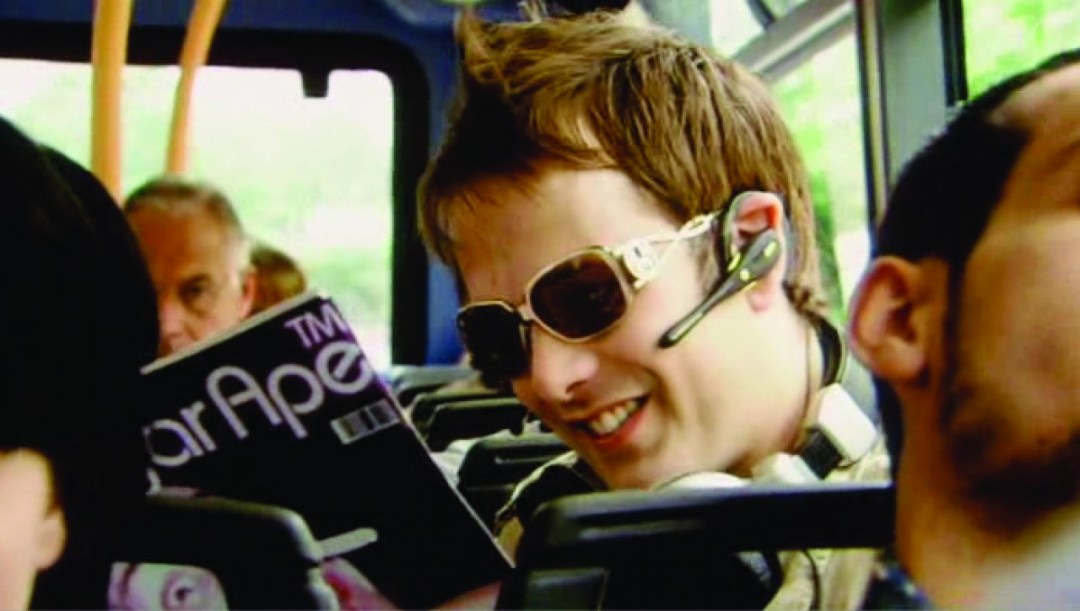
Nathan Barley, Chris Morris and Charlie Brooker’s 2005 satirical sitcom about the East London media scene and tech-saturated hipsterdom, was a flop when it first aired on Channel 4: by episode five of its six-episode run, its audience had dropped to just 500,000 (a 2% share). The title character, played by Nicholas Burns, was originally created for Brooker’s TV listings parody website TVGoHome as the star of a documentary called Cunt. Nathan is softened for the sitcom from an outright cunt into an insufferable twat: he’s a self-described “self-facilitating media node”, running a website called Trashbat.co.ck (registered in the Cook Islands) where he posts prank videos and assorted shite. “It’s an online urban culture dispatch,” he says. The sitcom puts Nathan in contrast with Dan Ashcroft (Julian Barratt), a frustrated cynic working at SugarApe magazine (stylised to emphasis “rape”), an obvious parody of Vice. In the first episode, Dan writes an article about the rise of the idiots, lambasting people like Nathan and his colleagues at SugarApe. Nathan and all the other idiots think it’s genius. It’s a brilliantly funny, weird little show, alternating between unabashed silliness and jet-black shock humour.  

A second season of the show was never commissioned. Morris and Brooker both went on to bigger things – Brooker created Black Mirror, and Morris continues to be an incomparable genius – as did much of the cast – a host of now big stars play bit parts, from Benedict Cumberbatch to Ben Whishaw – but it has not prompted much of a return to Nathan BarleyDigital Spy once claimed it became a cult hit on DVD, but they would say that, wouldn’t they? Every retrospective on some flop no-one remembers claims it later became a cult hit. It’s not like people are going to Nathan Barley conventions dressed as Nikolai the Barber’s dead cat. 

Continue reading “Swift as Jackass: The Forgotten Genius of Nathan Barley”

Do I Look Like the Kind of Clown That Could Start a Movement?

It’s a pretty old story at this point, but it’s a good one: when Do the Right Thing premiered in 1989, a lot of film critics expressed concern that it would inspire black people to riot. The film follows a day in the life of the residents of a racially-mixed but largely black neighbourhood in Brooklyn that culminates in the murder of a black man, Radio Raheem, by the police. The police came because of a fight between Radio Raheem and the owner of the local pizzeria, Sal, so the onlookers who saw the murder blame him. One resident, Da Mayor, tries to persuade the crowd to walk away, but Sal’s employee, Mookie, played by director Spike Lee, throws a bin through the window. The crowd runs into the pizzeria and smashes up the furniture. One of Radio Raheem’s friends sets it on fire. It’s one of my favourite setpieces in the history of cinema and it terrified several white critics at the time

It should go without saying that none of those fears were borne out. No riots broke out at screenings of Do the Right Thing. And that’s why the story lingers. It’s a story about the racism of white critics, a nice shorthand explanation of how criticism itself is distorted when the field is dominated by people from a narrow set of backgrounds, whether the skew is racial, gendered or economic. But I think it’s worth recognising that when those critics wet themselves over the possibility of a film inspiring real riots, they weren’t only racist. They were also wrong. And not just wrong because riots didn’t occur, but wrong because riots were never going to occur. Sometimes people have rioted about films, like The Birth of a NationThe Rules of the Game or Padmaavat, a Bollywood epic from a couple of years ago that enraged Hindu nationalists and Rajput caste extremists who heard – incorrectly – that it portrayed sex between a Muslim king and a Rajput queen, among other things. But there is no evidence in the history of film that exposure to a movie’s content, as opposed to the mere fact of its existence, has ever inspired anyone to riot. In fact, everyone who has ever promoted panic about art causing violence of any kind has been wrong. They were wrong about Do the Right Thing. They were wrong about Doom and Grand Theft Auto and every other video game. They were wrong about comic books and “video nasties” and Eminem

They were wrong about Joker

Continue reading “Do I Look Like the Kind of Clown That Could Start a Movement?”

A Film Less Likely [Film Stories]

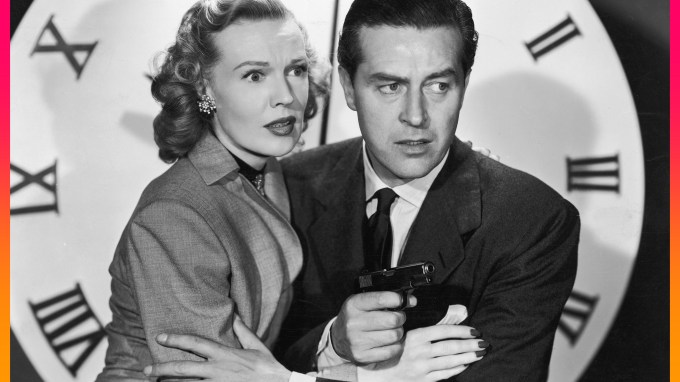
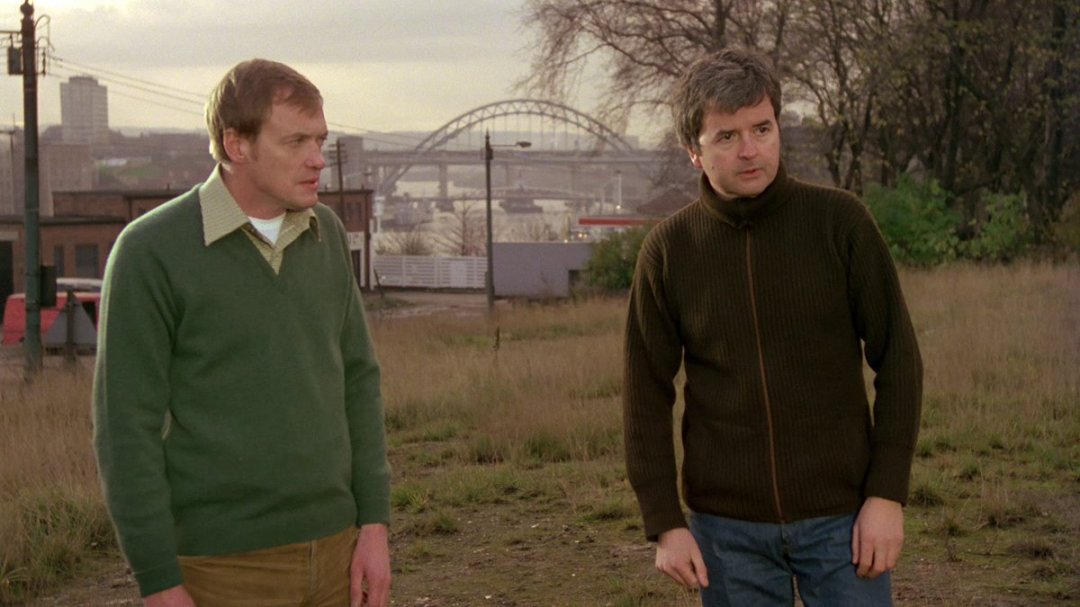
The Likely Lads – the 1976 film spin-off from the BBC series of the same name and its sequel series Whatever Happened To The Likely Lads? – was released at the tail end of a deluge of British sitcom film spin-offs in the early 1970s. Most of these films are clumsily elongated episodes of the show they’re adapted from, straining mightily to find ninety minutes worth of material using story structures designed for half-hours. Critics generally regarded The Likely Lads as more of the same. The Times considered it amusing in places but thinly stretched to feature length; the Telegraph found it uneven; the Financial Times dubbed it “just another pre-packaged product on the assembly line of low-budget British comedy.” But over forty years later, The Likely Lads doesn’t seem like assembly-line product at all. It’s a great film, both as a conclusion to the TV series and in its own right. It’s a brilliantly funny and deeply melancholy look at a changing Britain, and not at all the sex comedy it was sold as.

I wrote about The Likely Lads movie for Film Stories! You can buy the issue here.

The Sundae TV Awards 2020

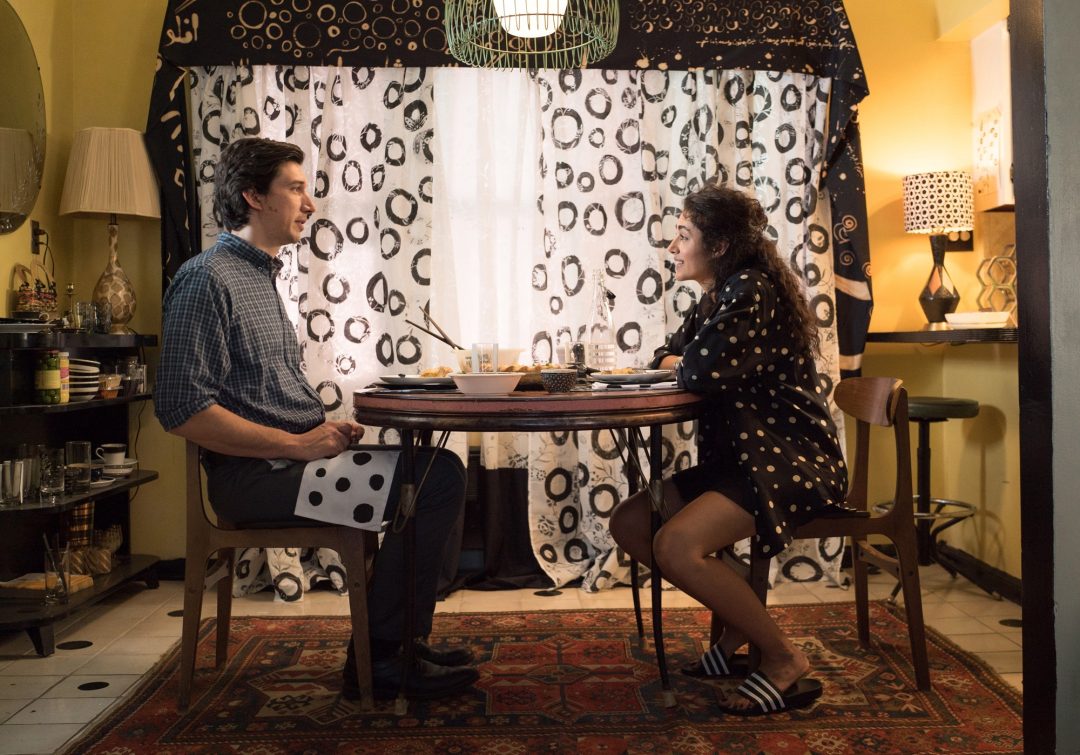
What a weird year for television. What a weird year to even be talking about television. Set aside the obviously extreme circumstances in which much of this TV season has occurred and still so much has changed. The finales of Orange is the New Black and BoJack Horseman were twin sunsets on the brief moment in time when it seemed like streaming television would be a brave new frontier of ambition, innovation and experimentation, just as the arrival of Disney+ and HBO Max confirmed it would just be another battleground for giant corporations. Disney put so much money behind their FYC campaigns that Ramy (Hulu), What We Do in the Shadows (FX) and even The Mandalorian (Disney+) racked up tons of Emmy nominations out of nowhere. And then, of course, there’s the situation we’re all in, the almost total shutdown of television production, the glut of Zoom episodes we’ve thankfully managed to avoid watching, the insane spectacle of John Krasinski making a good news aggregator YouTube show to raise people’s spirits and then selling the concept to CBS All Access without him attached. The finale of The Blacklist was only half-shot, so they animated the rest of the episode and aired it on actual television.

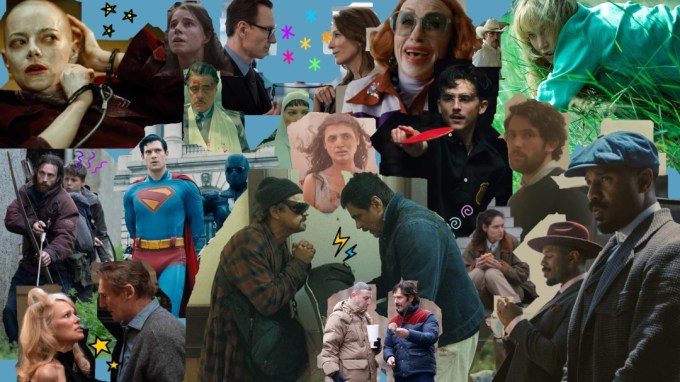
It feels kind of absurd to look back on this year and talk about how good the television was, but here we are. The Sundae TV Awards 2020. We can’t really claim these are what we think should have been nominated at the Emmys, or should win, since there’s an impossible amount of television to watch in the world. But if we were the only two members of the Television Academy and we could nominate any TV that aired in the most recent television season (from June 2019 to May 2020), and we only cared about the seven major awards in drama and comedy, this is what you’d get. 

You can see each of our full slates of nominees at the bottom of the post. 

Continue reading “The Sundae TV Awards 2020”

Westerns, Part 2

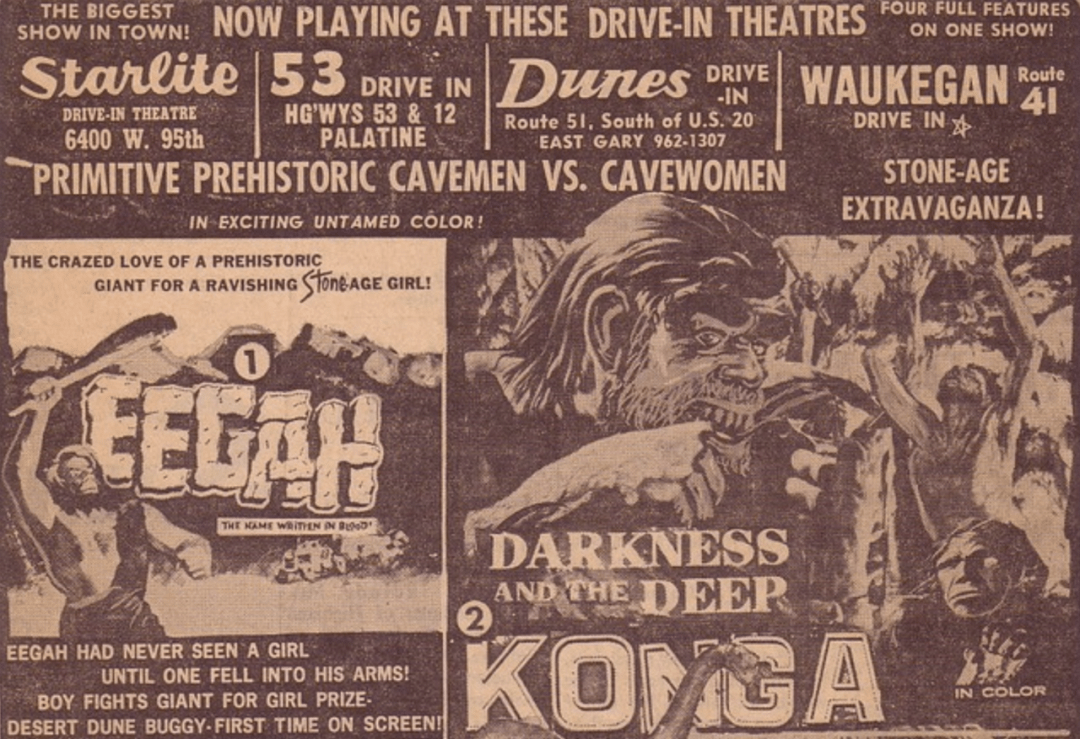
Two years ago, I wrote about starting to watch westerns. It was mostly about the gap between westerns as I imagined they would be through cultural osmosis and westerns that I actually watched: defending westerns from the preconceptions of those who haven’t seen them. I was rejecting the view of westerns as a reactionary monolith. No genre is as uniform as the popular imagination frequently remembers westerns to have been.

I’m not sure if the rhetorical function of the western in popular discourse has shifted or if I’ve just noticed different parts of it, but I haven’t seen much of “westerns, of course, went into decline when audiences became uncomfortable with racist depictions of Native Americans” lately. Instead, westerns seem to be more often invoked as… a defense of superhero movies. The westerns/superheroes comparison is probably as old as the contemporary superhero boom – westerns, the story goes, dominated Hollywood for a time, just as superheroes have in the last few years – but was kicked into overdrive when Martin Scorsese called Marvel movies “theme parks” and a million nerds lost their minds. There were a lot of arguments made against Scorsese, from calling him a racist for not thinking Black Panther is extremely important to long Twitter threads of ugly CGI landscapes or medium shots of actors looking sad to “prove” that Marvel movies are cinema.

Continue reading “Westerns, Part 2”

Double Features #7: Genre Buddies

This article is part of the Double Features series, which pairs great films that go great together. Check out previous installments here.


The worst thing a cover of a song can be is faithful. The point of a cover should be to shift a song in a different direction, whether it’s Jimi Hendrix transforming “All Along the Watchtower” from a cryptic folk song to an apocalyptic howl of electric madness or Take That turning Barry Manilow’s dark, dramatic piano ballad “Could It Be Magic” into a synth-driven dance track. It’s fascinating how a change in genre – something so often treated as cosmetic, even superficial – can make the same song sound completely different.

I wouldn’t describe any of these films as covers of each other exactly, but I feel a similar thrill watching them together and thinking about them, the thrill of common elements changed utterly by their context, style and genre. Like they’re singing from the same hymn sheet, but with wildly different approaches to the material. Some of the shifts are smaller than others, but all of them reflect on each other in really interesting ways, and most importantly, all of them rule.

Here’s five more double features.

Continue reading “Double Features #7: Genre Buddies”