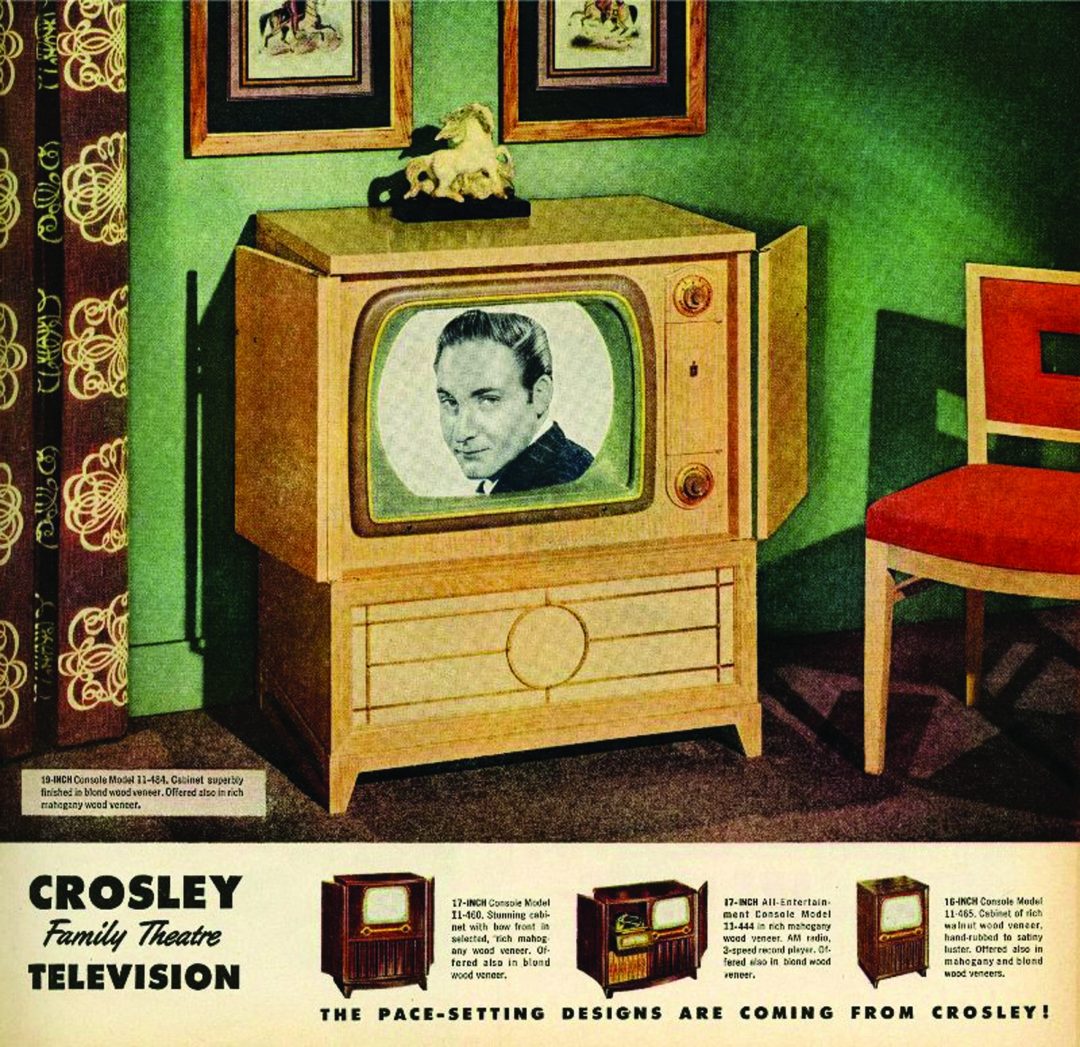
In 1961, newly appointed Federal Communications Commission chairman Newton N. Minow referred to American television as a “vast wasteland.” The New Yorker TV critic Emily Nussbaum referred to this as “the medium’s most famous libel”—one repeated as an adage of discerning viewers turning their nose up at television as a whole. As Nussbaum notes, however, Minow’s point was not to dismiss television as a medium; quite the opposite. He was mourning what he viewed as the public interest programming of television’s original Golden Age—“the much bemoaned good old days” of live teleplays on Playhouse 90 or Studio One, which had given way to “a procession of game shows, formula comedies…violence, sadism, murder, western bad men, western good men, private eyes, gangsters, more violence, and cartoons.”
A couple of decades later, I’m a little kid, cross-legged in front of the television. Like Carol Anne in Poltergeist (1982), I was in communion with the box. Awash in its glow, watching, rapt, until my eyes went square. American sitcoms and Australian soap operas. A procession of game shows, violence, and cartoons. Television had by then been long considered a disreputable medium—the kind people denied as an “art form”—but its glimmer has enchanted me my entire life. It was my first, and maybe truest, love.
I reviewed some books about the so-called Golden Age of Television in a feature article for Cineaste last year. You can buy the issue here, and it’s also archived on JSTOR!

 The Sundae